Category Archives: FSM Editorials

Why Is Soccer Called “The Beautiful Game”?

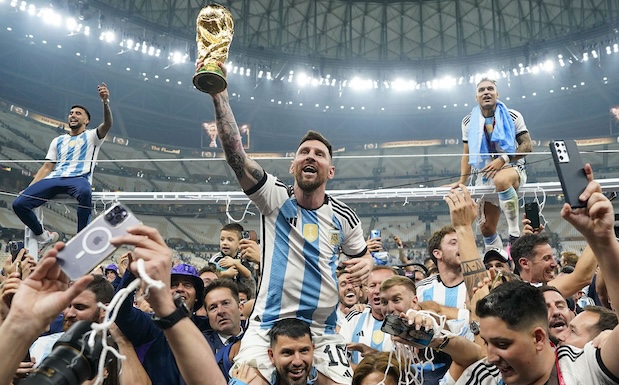
Every four years, millions of casual fans tune in to watch the FIFA World Cup. They may not follow club soccer throughout the year, but when the world’s biggest sporting event arrives, they find themselves captivated by dramatic goals, emotional celebrations, and unforgettable moments.

One phrase that often surfaces during the tournament is “The Beautiful Game.” But why is soccer called the beautiful game, and what makes it different from other sports?

The answer lies in a combination of artistry, simplicity, passion, and global connection.

The Origins of “The Beautiful Game”

The phrase is most closely associated with Brazilian soccer legend Pelé, who helped popularize the term during his playing career and afterward. While historians debate exactly who coined the phrase first, Pelé’s breathtaking style and Brazil’s flair-filled teams became the embodiment of what fans considered beautiful soccer.

The term reflects the idea that soccer can be both a sport and an art form. And it takes into consideration Beauty’s humble beginnings…

Beauty in Simplicity

The beautiful game possesses a remarkable simplicity. All you need is a ball, some open space, and a few players.

Whether it’s a beach in Brazil, a city street in England, a village in Africa, or a park in the United States, the game can be played almost anywhere.

SHOP COLLECTIBLES @ OUR eBay STORE!!!!!!!!!

Unlike sports requiring expensive equipment, soccer’s accessibility allows people from every economic and cultural background to participate. This universal appeal has helped make it the most popular sport on Earth.

Creativity Takes Center Stage

In soccer, players are encouraged to create. A midfielder can thread a perfect pass through defenders. A winger can dribble past multiple opponents. A striker can score a goal that leaves an entire stadium speechless. Moments such as the famous goals by Diego Maradona, Lionel Messi, and Cristiano Ronaldo are celebrated not just because they changed games, but because they showcased extraordinary creativity and skill. Fans often compare great soccer plays to works of art. SHOP COLLECTIBLES @ OUR eBay STORE!!!!!!!!!

The Drama of a Single Goal

Unlike basketball or football, scoring in soccer is relatively rare. A single goal can determine the outcome of an entire match. That scarcity creates enormous tension. Every attack matters. Every save feels monumental. Every shot has the potential to become part of sports history. During the World Cup, entire nations can erupt in celebration—or heartbreak—in a matter of seconds.

The World Cup Showcases Humanity

The FIFA World Cup is perhaps the greatest example of why soccer is called the beautiful game. For one month, people from nearly every corner of the globe gather around a shared passion.

https://images.openai.com/static-rsc-4/ME8Bx-YO30vbpMqN7KajrOO4DUe5eBMjdpTfAn7zE-x0nzLho4jhdQD1oi4fA-A_vGFDjLkrBpOnOcHAE5QUkkSViNH5-oyWnWRV2R7jghYvb42JYtzk-0TPbzm3zbcsnLn8FRWOFmRI0cjXex17zf-5fxTxfG34ssj2LED-Y4cDyrVq9BLJ-xkWlfDE8D9Q?purpose=fullsize

Different languages, cultures, religions, and political beliefs fade into the background as fans unite behind their national teams. Few sporting events create the same sense of global community. The World Cup reminds us that soccer is more than a game—it’s a common language spoken by billions.

Underdogs Can Become Legends

Another beautiful aspect of soccer is its unpredictability. Unlike some sports where the stronger team usually wins, soccer often leaves room for stunning upsets. A small nation can defeat a global powerhouse. An unknown player can become a household name overnight. A goalkeeper can transform into a national hero with a single save. World Cup history is filled with Cinderella stories that continue to inspire future generations.

Emotion Unlike Any Other Sport

Soccer produces some of the most emotional scenes in sports. Players cry tears of joy after victories. Fans sing together for ninety minutes. Entire countries stop to watch crucial matches. The emotional investment creates unforgettable moments that transcend the scoreboard.

https://images.openai.com/static-rsc-4/htHyUhrkq7rqTqxUhqvr21EolIozyyjrNZRXNob8BNPiYbrYCcut4JK3QIGRbXJdoB1n20y73QXkr8hKQK-mcD8ppu2Lwg22XcRsQleAkgFvYX2mX20eIRMv-Yj14YmMLos57wM9V9sIl64Z492M76dZ_-kJ6Q9N5JxAqikNhWkgHoEPj9vC6pgWWOBH9X2X?purpose=fullsize

The Lasting Meaning of “The Beautiful Game”

SHOP COLLECTIBLES @ OUR eBay STORE!!!!!!!!!

Soccer is called the beautiful game because it combines simplicity, artistry, emotion, and universal appeal in a way no other sport can.

It is beautiful when a child kicks a ball in a neighborhood park. It is beautiful when 80,000 fans sing in unison inside a stadium. And it is beautiful when the World Cup brings billions of people together to share moments of triumph, heartbreak, and wonder.

For casual World Cup fans, that’s the real secret behind the phrase: soccer isn’t just about winning and losing. It’s about the joy, creativity, and human connection that make the game beautiful.
Larry O’Brien: The Postmaster Who Became the Face of the NBA Finals Trophy

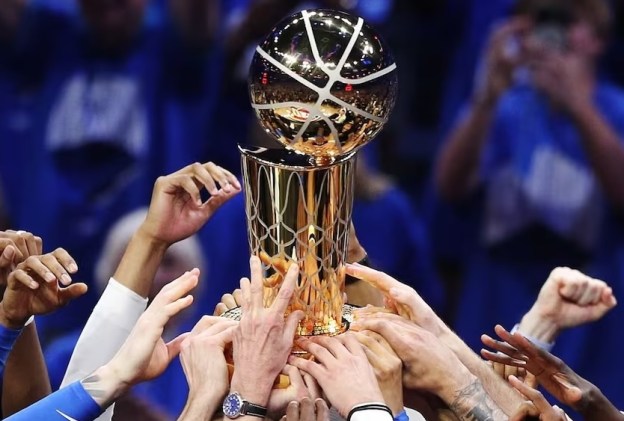
When NBA players celebrate a championship today, they raise one of the most recognizable trophies in sports: the Larry O’Brien Championship Trophy. From Michael Jordan to LeBron James and Stephen Curry, generations of champions have hoisted the gleaming gold trophy. Soon, players from the New York Knicks or San Antonio Spurs will be doing the same.

But unlike many sports trophies named after legendary athletes or coaches, the NBA’s championship prize honors a man who never played professional basketball. Larry O’Brien’s path to basketball immortality began not on the hardwood, but in the halls of American politics.

CHEAP collectibles available 24/7 at the FSM GARAGE SALE STORE on eBay !!!!!!

From Springfield to Washington

Lawrence Francis O’Brien Jr. was born in 1917 in Springfield, Massachusetts. Possessing a sharp political mind and remarkable organizational skills, O’Brien rose through the ranks of the Democratic Party during the mid-20th century.

He became one of the most influential political strategists in American history, helping orchestrate the successful presidential campaigns of John F. Kennedy and later serving in the administrations of both Kennedy and Lyndon B. Johnson.

As Postmaster General under Johnson and later chairman of the Democratic National Committee, O’Brien earned a reputation as one of Washington’s most effective administrators. His ability to negotiate, build relationships, and manage complex organizations would eventually attract the attention of an ambitious professional basketball league.

Taking Over the NBA

In 1975, the NBA hired O’Brien as its commissioner, a surprising choice for a sports league but one that would prove transformative.

At the time, professional basketball faced significant challenges. Television ratings were modest, many Finals games were shown on tape delay, and the league struggled to compete with the popularity of baseball and football. The NBA needed strong leadership and a long-term vision.

O’Brien brought exactly that.

Serving as commissioner from 1975 to 1984, he oversaw one of the most important growth periods in league history. During his tenure:

  • The NBA expanded its national television presence.
  • League revenues increased dramatically.
  • The popularity of professional basketball surged.
  • The NBA strengthened its relationship with sponsors and broadcasters.
  • The league became increasingly visible across North America and internationally.

Most importantly, O’Brien presided over the arrival of a new generation of stars that would redefine the sport.

The Magic and Bird Era

O’Brien’s tenure coincided with the emergence of one of basketball’s greatest rivalries: Magic Johnson versus Larry Bird. Their battles throughout the 1980s captivated fans and revitalized interest in the NBA. The league’s popularity exploded as the Lakers and Celtics met repeatedly on basketball’s biggest stage.

CHEAP collectibles available 24/7 at the FSM GARAGE SALE STORE on eBay !!!!!!

O’Brien’s business acumen helped capitalize on this golden opportunity. He worked to secure stronger television contracts and position the NBA as a premier entertainment product. By the time he retired in 1984, the foundation had been laid for the league’s future global growth under his successor, David Stern.

Why the Trophy Bears His Name

In 1984, the NBA decided to rename its championship trophy in honor of Larry O’Brien’s contributions to the league.

The trophy itself had existed since 1977, but after O’Brien stepped down as commissioner, league officials believed his leadership deserved permanent recognition. The trophy was officially renamed the Larry O’Brien Championship Trophy to commemorate his role in helping transform the NBA from a struggling league into a rapidly growing sports powerhouse.

The decision reflected a simple reality: without O’Brien’s stewardship during a critical period, the NBA’s rise to prominence might have unfolded very differently.

The Trophy Itself

The trophy is crafted from sterling silver and coated in 24-karat gold. Standing roughly two feet tall, it features a basketball poised above a net, symbolizing the game’s ultimate achievement.

Each year, the winning team receives the trophy immediately after clinching the NBA Finals, creating one of sports’ most iconic celebration scenes.

https://images.openai.com/static-rsc-4/xnKZBfNQrxJvAgdpjMJr2QqLL9vqqjuX1bJoXPGtBjatPU9XLxf0r-TCrrm32BXK_w00Z0SKdWpmFBZB_w1IU7G0GwGKiUF2yMNlYre4QJu1-lPpW1cLM-Ih6mIOYMRbPV5aDjC6ahValFZndTS3Ll2HHZCK2Qu3z6WTcvspVOZ3M0CezGtW2tx436EDvBdb?purpose=fullsize

A Lasting Legacy

Larry O’Brien passed away in 1990, but his influence remains visible every June when a new NBA champion is crowned.

Unlike many executives whose contributions fade from public memory, O’Brien’s name is announced annually during the league’s most important moment. Every championship team—from the Showtime Lakers and Bird’s Celtics to Jordan’s Bulls, Curry’s Warriors, and future champions—becomes part of the legacy of the commissioner who helped guide the NBA into a new era.

In many ways, the Larry O’Brien Trophy represents more than a championship. It symbolizes the vision, leadership, and business savvy that helped transform professional basketball into the global phenomenon it is today.

CHEAP collectibles available 24/7 at the FSM GARAGE SALE STORE on eBay !!!!!!

Gloves Off: Ranking the Top 3 Fights in NHL Playoff History

The Stanley Cup Playoffs are hockey’s annual reminder that civilization is a fragile social construct. For roughly two months every spring, grown men with titanium dental work and a concerning disregard for personal safety strap knives to their feet and politely attempt to vaporize one another into the boards.

And while the NHL officially markets playoff hockey as a showcase of speed, skill, and precision, everyone knows there’s another sacred tradition: playoff fights. These are not your standard regular-season “let’s get this over with before the second intermission” dustups. Playoff fights carry the emotional weight of an entire city, the fury of seven games’ worth of cheap shots, and the raw chaos of a man who’s been cross-checked in the kidneys 14 consecutive shifts.

CHEAP MEMORABILIA @ FreeSportsMag’s 24/7 GARAGE SALE on eBay!!!!!!!!!!!!!!!!!!!!!!!!!!!!!!!

After careful review, several YouTube rabbit holes, and enough old-school hockey footage to make a laptop smell faintly of cigarette smoke and arena nachos, here are the Top Three Fights in NHL playoff history.

3. Tie Domi vs. Bob Probert (1994 Playoffs)

    This wasn’t a fight. This was an industrial accident.

    When Toronto’s Tie Domi squared off with Detroit’s Bob Probert, it was essentially a fire hydrant challenging a freight train to mutual destruction. Probert looked like he was carved out of Michigan steel mills. Domi looked like he had been genetically engineered in a Toronto basement specifically for uppercuts.

    The beauty of this tilt was the pure absence of hesitation. No theatrical circling. No jersey-adjusting. No “you sure?” nod.

    They just grabbed hold and started throwing enough haymakers to alter nearby weather patterns.

    At one point it looked less like hockey and more like two men trying to settle a labor dispute in a parking lot outside a Canadian Tire.

    This fight lands at number three because it perfectly captured playoff hockey’s central philosophy: if finesse isn’t working, become a demolition crew.

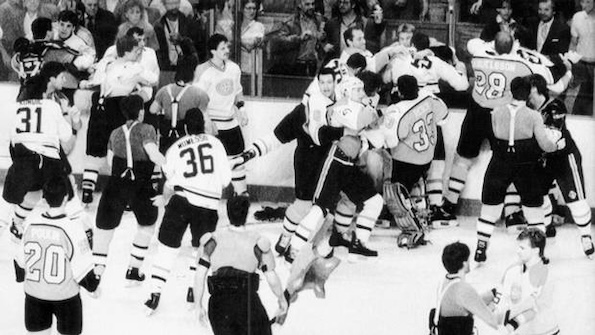
    2. The Good Friday Massacre: Quebec Nordiques vs. Montreal Canadiens (1984)

      Calling this a “fight” is like calling the Trojan War “a disagreement over property lines.”

      The legendary Good Friday Massacre between the Canadiens and Nordiques featured multiple bench-clearing brawls, enough penalties to require advanced accounting, and enough hostility to make family Thanksgiving arguments seem emotionally healthy.

      The rivalry was already nuclear. Add playoff tension, provincial hatred, and the collective decision by every player involved to temporarily abandon civilized behavior, and you got one of hockey’s all-time masterpieces of mayhem.

      Players fought. Then they got sent off. Then somehow they came back out and fought again. That’s commitment. That’s craftsmanship. This game proved the NHL playoffs are the only sporting event where “the officials have completely lost control” is often viewed as glowing praise.

      1. The Revenge Fight: Claude Lemieux vs. Darren McCarty (1997)

        This remains the undisputed heavyweight champion because it had everything — storyline, payoff, historical stakes, and the kind of raw energy that made viewers at home instinctively check whether they’d somehow been punched too. If hockey fights had a Hall of Fame wing with dramatic lighting and orchestral music, this would be the centerpiece. This wasn’t just a playoff fight. This was a Shakespearean revenge epic on ice.

        VISIT OUR eBay STORE and shop for sports and movie collectibles 24/7!!!!!!!!!!!

        After Lemieux’s infamous hit on Detroit’s Kris Draper the year before ignited one of the nastiest rivalries in sports, the Red Wings spent months waiting for justice like medieval knights preparing for battle.

        And when Darren McCarty finally got his hands on Claude Lemieux, it felt less like a fight and more like destiny cashing a very old check.

        The crowd in Detroit lost its collective mind. The benches erupted. Goalies joined in.

        It was playoff hockey distilled into its purest form: vengeance, chaos, and enough emotional intensity to register on seismographs.

        What are your thoughts? Are we missing any fights? Drop a comment below.

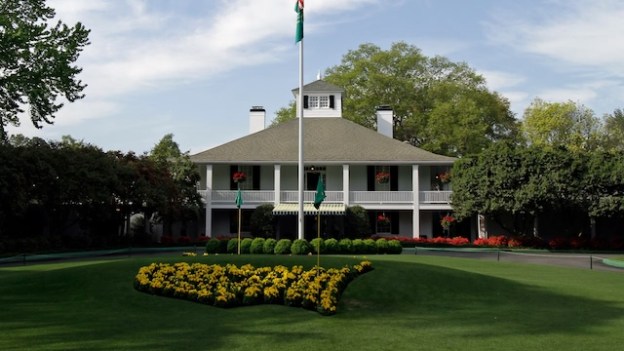
        Augusta National Golf Club

        Augusta National: From Fruitland to Golfing Landmark

        The story of the Augusta National Golf Club is one of the most influential chapters in the history of golf—an intersection of vision, architectural genius, and the ambition to create a permanent home for one of the sport’s greatest traditions. Located in Augusta, the course was not only designed to challenge the world’s best golfers but also to embody an idealized vision of natural beauty and sporting excellence.

        From Nursery to National Stage
        Before it became hallowed ground in professional golf, the land that would become Augusta National was known as the Fruitland Nursery, a sprawling 365-acre plant nursery established in the 19th century. By the early 1930s, the property had fallen into decline—until two men with a shared passion for golf saw its potential.

        Check out the FSM GARAGE SALE on eBay for cheap collectibles!!!

        Those men were legendary amateur golfer Bobby Jones and investment banker Clifford Roberts. Jones, widely regarded as one of the greatest amateur golfers in history, had retired from competitive golf at the peak of his career. Yet he still dreamed of creating a course that would represent everything he believed the game should be: strategic, beautiful, and fair.

        The Architect Behind the Vision
        To bring that vision to life, Jones and Roberts turned to renowned golf course architect Alister MacKenzie. MacKenzie, already famous for designs such as Cypress Point and Royal Melbourne, shared Jones’s belief that great golf courses should blend seamlessly with their natural surroundings.

        Working together, Jones and MacKenzie walked the old nursery grounds and envisioned a layout that would transform the land’s rolling hills, azaleas, and hardwood trees into a strategic masterpiece. MacKenzie completed the design in the early 1930s, though he died shortly before the course officially opened—never seeing the full legacy of his work unfold.

        Opening and the Birth of the Masters
        The course officially opened in 1933, and just one year later, in 1934, it hosted the inaugural tournament that would become the Masters Tournament. Originally called the Augusta National Invitation Tournament, it was conceived by Jones and Roberts as a way to bring the world’s best golfers to a single, elite venue.

        From the beginning, the tournament—and the course—stood apart. The layout demanded precision over power, rewarding strategy, imagination, and control. Its now-famous holes, including Amen Corner, quickly became iconic in the sport.

        FIND AUTOGRAPHS AND OTHER MEMORABILIA @ FSM’s eBay Store

        What set Augusta National apart was not just its beauty, but its philosophy. Jones and MacKenzie believed that golf should be a thinking person’s game, where risk and reward were constantly in balance. That philosophy is still visible in every dogleg, bunker placement, and elevation change.
        The course also became known for its meticulous maintenance and evolving design. Over the decades, it has undergone careful modifications to keep pace with modern equipment and athletic performance, while still preserving its original character.

        A Simple Legacy
        Today, Augusta National Golf Club is more than a course—it is a symbol of tradition in professional golf. Each spring, it becomes the stage for the Masters, where legends are made and history is written.

        Yet its origins remain rooted in a simple but powerful idea: that two visionaries, a master architect, and a forgotten nursery in Georgia could be transformed into one of the most revered sporting venues in the world.

        Cinderella Story: The Lowest Seed Ever to Win March Madness 

        In a tournament built on chaos, one story still towers above them all.

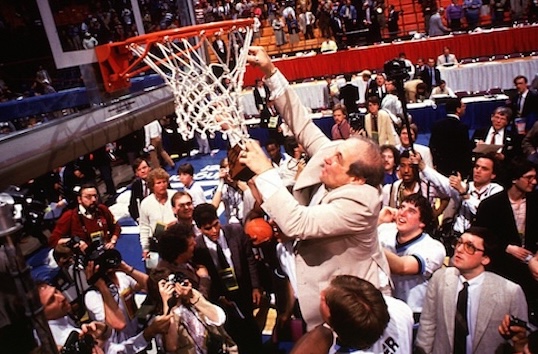
        On a spring night in April at Rupp Arena in Lexington, Kentucky, the No. 8-seeded Villanova Wildcats delivered what many still call the greatest upset in college basketball history, defeating the heavily favored and defending national champion Georgetown Hoyas 66–64 to win the 1985 NCAA Tournament.

        It remains, to this day, the lowest seed ever to win a national title.

        Coached by Rollie Massimino, the Wildcats shot an astonishing 78.6% from the field (22-of-28), a number almost unheard of in a championship setting. Every possession was deliberate, every shot carefully chosen. It wasn’t flashy—it was surgical. Villanova played nearly flawless basketball which was necessary if they wanted to win. 

        Georgetown, led by Hall of Fame center Patrick Ewing, entered the game as a dominant force. The Hoyas had bullied opponents all season with defense and intimidation, and few gave Villanova much of a chance. It was David versus Goliath.

        CHECK OUT THE FREESPORTSMAGAZINE.COM GARAGE SALE ON EBAY 

        But from the opening tip, it was clear something unusual was unfolding. The Wildcats were trying to slay the giant but on their terms. 

        Villanova slowed the pace to a crawl, frustrating Georgetown and limiting possessions. The Wildcats refused to be rattled, matching every Georgetown run with poise and precision. In the final minutes, clutch free throws sealed a victory that stunned the basketball world. Forward Ed Pinckney led the way with 16 points and was named Most Outstanding Player, anchoring a disciplined effort that neutralized Georgetown’s size and physicality.

        Unlike modern tournaments filled with double-digit seed surprises, Villanova’s Cinderella run wasn’t filled with blowouts or buzzer-beaters. Instead, it was a methodical climb in which they embraced the underdog role, controlled tempo in every game, and executed with near-perfect efficiency when it mattered most. By the time they reached the championship, they weren’t just surviving—they were peaking.

        In today’s expanded 64+ team tournament era, no team seeded lower than No. 8 has ever won it all. While teams like the 2014 UConn Huskies (7-seed) have come close, Villanova’s 1985 run remains unmatched and is a legacy that still stands for now. 

        More than four decades later, every March brings new Cinderella hopefuls. But none have quite replicated what Villanova accomplished that night in 1985—a reminder that, in college basketball, perfection for just one game can rewrite history forever.

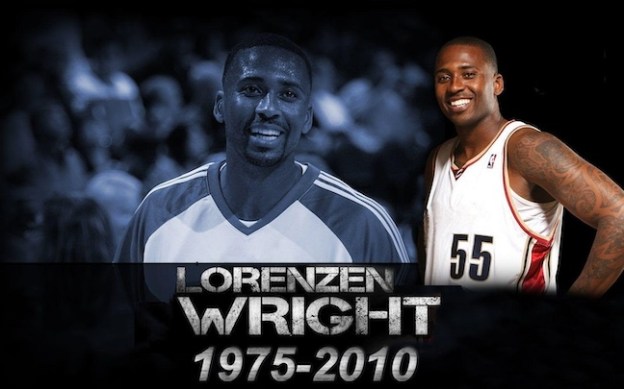
        The True Crime Murder Story of Lorenzen Wright in 9 Short Chapters

        Chapter 1: Introduction

        The murder of former professional basketball star Lorenzen Wright remains one of the most disturbing true crime stories in sports history. Once a beloved basketball star in Memphis and across the National Basketball Association (NBA), Wright’s life ended in a brutal killing that shocked the sports world and launched a years-long investigation filled with mystery, betrayal, and unexpected suspects. This FreeSportsMag exclusive investigative story explores what happened to Lorenzen Wright, how police solved the case, and why the tragedy continues to draw attention in true crime, sports crime, and unsolved mystery discussions online.

        Chapter 2: A Rising NBA Star

        Before his name appeared in crime headlines and murder investigations, Lorenzen Wright was known as a talented professional basketball player.

        Wright starred at the University of Memphis and became a local legend of sorts before entering the National Basketball Association. In the 1996 NBA Draft, he was officially selected seventh overall by the Los Angeles Clippers. During a 13-year NBA career, Wright also played for the Memphis Grizzlies, Atlanta Hawks, Sacramento Kings, and Cleveland Cavaliers.

        At 6’11”, Wright was known for his defense, rebounding, and physical style of play. But more importantly, he was deeply connected to Memphis, where he grew up, played for the Grizzlies, and later returned to live after his NBA career. His reputation in the community was that of a generous and approachable figure who regularly gave back to local charities.

        That reputation made what happened in 2010 even more shocking.

        VISIT THE FREESPORTSMAGZINE.COM MEMORABILIA & COLLECTIBLE STORE ON EBAY

        Chapter 3: The Disappearance

        On July 18, 2010, Lorenzen Wright left his home in Memphis. It was the last time anyone saw him alive. His family reported him missing several days later, triggering a missing persons investigation by the Memphis Police Department. Concern quickly spread throughout Memphis and the NBA community as media outlets began covering the mysterious disappearance of Lorenzen Wright.

        Then a strange piece of evidence surfaced.

        Nine days after Wright vanished, emergency dispatchers received a 911 call from Wright’s phone. The recording captured gunshots and Wright apparently shouting in distress before the line went dead. Investigators immediately suspected foul play, but the call offered little information about the location or identity of the attacker. For weeks, the case remained a haunting mystery.

        Chapter 4: A Grim Discovery

        On July 28, 2010, authorities discovered Lorenzen Wright’s body in a wooded field near Callis Cutoff Road outside Memphis. He had been shot multiple times.

        The discovery confirmed what many feared: this was not just a missing person case but a high-profile murder investigation involving a former NBA star. Investigators began examining Wright’s finances, personal relationships, and recent activities. Early speculation in the true crime community ranged from robbery to gambling debts to organized crime, but no clear suspect emerged for years.

        The case gradually went cold.

        Chapter 5: The Investigation Reopens

        For nearly seven years, the Lorenzen Wright murder case remained one of Memphis’s most notorious unsolved crimes.

        Then, in 2017, investigators received a breakthrough.

        Authorities recovered the murder weapon—a handgun found in a Mississippi lake. Ballistics confirmed it was the gun used in Wright’s killing. The discovery reignited the investigation and led detectives to revisit earlier suspects.

        The case began to point in a shocking direction.

        Chapter 6: The Role of Ex-Wife

        Investigators ultimately determined that Wright’s ex-wife, Sherra Wright, had played a central role in the crime. According to prosecutors, Sherra Wright conspired with a man named Billy Ray Turner to murder the former NBA player.

        The motive, as old as time, allegedly involved financial problems she was having and a multimillion-dollar life insurance policy she was set to inherit.

        In 2019, Sherra Wright pleaded guilty to facilitation of murder and received a 30-year prison sentence. Billy Ray Turner was later convicted of first-degree murder and conspiracy to commit murder, bringing long-awaited closure to a case that had haunted Memphis for nearly a decade.

        Chapter 7: The Chilling 911 Call

        One of the most unsettling aspects of the Lorenzen Wright case remains the 911 recording. The call, made moments before his death, captured Wright shouting and gunshots firing in the background. Investigators believe he was attempting to call for help while being attacked. The recording circulated widely online and became a focal point for true crime documentaries, podcasts, and investigative journalism, adding to the case’s notoriety.

        Chapter 8: Legacy and Impact

        The murder of Lorenzen Wright left a lasting mark on Memphis and the NBA community. His family created the Lorenzen Wright Foundation, which provides support for single mothers and families in need. The organization seeks to preserve Wright’s legacy as a compassionate community figure rather than allowing his story to be defined solely by tragedy.

        Today, the case remains one of the most widely discussed true crime sports cases, often appearing in documentaries, podcasts, and investigative reports examining celebrity murders and sports-related crimes.

        Chapter 9: Conclusion

        What began as a missing NBA player case evolved into a complex murder investigation that took nearly a decade to solve. While the convictions of those responsible brought legal closure, the story of Lorenzen Wright remains a powerful and tragic chapter in both NBA history and American true crime investigations. It serves as a haunting example of how violence can intersect with fame, money, and personal relationships and raises lingering questions about warning signs, financial pressures, and the hidden struggles athletes may face after their playing careers end.

        CLICK HERE FOR FREE CASH BACK WITH RAKUTEN

        The Origin Story of Saying “March Madness”

        Every March, office pools explode, brackets bust, and underdogs become legends. The phrase “March Madness” now feels inseparable from the National Collegiate Athletic Association (NCAA) men’s basketball tournament—but its roots stretch back further than most fans realize. Long before billion-dollar TV deals and wall-to-wall coverage, March Madness belonged to high school basketball.

        In 1939, Illinois high school official Henry V. Porter used the term in an essay to describe the emotional frenzy surrounding the annual state basketball tournament. Porter, who worked with the Illinois High School Association, wrote about the electricity in small-town gyms, the packed crowds, and the statewide obsession that peaked every March. To him, “March Madness” captured the chaos, passion, and community pride of tournament time.

        At the time, the college game was still growing. That same year—1939—the first NCAA men’s basketball tournament was held, won by the Oregon Ducks men’s basketball team. But the phrase hadn’t yet attached itself to the college bracket. Fast forward to the 1980s. College basketball had become a television spectacle. As the tournament expanded and Cinderella stories multiplied, broadcasters searched for language big enough to match the moment.

        Enter Brent Musburger.

        While calling NCAA tournament games for CBS in the early 1980s, Musburger began using the term “March Madness” on national broadcasts. His booming delivery and prime-time platform cemented the phrase in the American sports vocabulary. What had once described Illinois high school gyms now echoed across the country.

        The NCAA eventually trademarked “March Madness,” formally tying it to the Division I basketball tournament held every year. The phrase fits perfectly considering the structure of the NCAA tournament demands drama. Unlike professional playoffs that stretch over series, the college game offers no safety net. Survive and advance—or vanish. Add in buzzer-beaters, 15-seeds toppling 2-seeds, and brackets shredded before the Sweet 16 and it’s hard to deny this emotional whiplash packed into three weeks.

        Today, “March Madness” represents more than just college basketball games being played. It means office bracket pools, billion-dollar TV contracts, Cinderella stories, alumni pride, and three weeks when productivity mysteriously declines nationwide What began as poetic wording in a 1939 essay evolved into one of the most powerful brands in American sports.

        And that’s fitting. Because every year, when the ball tips in mid-March and dreams hang on every possession, madness doesn’t feel like exaggeration. It feels accurate.

        Super Bowl LX: The Ultimate Snack Stats

        Super Bowl LX is here. While the touchdowns and dramatic halftime shows make headlines, let’s be honest — the real MVP of Super Bowl Sunday is the “buffet”. Every year, Americans transform living rooms into snack stadiums, and the numbers are big enough to make your belly ache and your belt tighten.

        The Numbers Don’t Lie (Thank Goodness). Forget total yardage — here’s the real stats breakdown of what gets consumed during the Super Bowl:

        🥔 Chips & Guac

        An estimated 11.2 million pounds of potato chips are eaten on Super Bowl Sunday alone. That’s enough chips to circle the Earth if you lined them up (probably). Add to that around 8 million pounds of tortilla chips — ideally dipped into guacamole, for which Americans buy 139.4 million pounds of avocados. Guac lovers rejoice (or regret).

        🍔 Burgers & Hot Dogs

        Estimates suggest that 8 to 14 billion hamburgers are grilled around Super Bowl weekend — second only to the Fourth of July in American grilling fervor. While not as tallied, thousands of pounds of hot dogs also disappear into eager mouths, often served with everything from mustard to leftover guac (no judgment here).

        🍺 Beer, Soda & Other Drinks

        Thirsty much? Fans knock back roughly 325.5 million gallons of beer over Super Bowl weekend — that’s like filling an Olympic swimming pool almost 2,000 times. Soda isn’t left out either, with millions of dollars’ worth being slurped along with the snacks.

        Counting Calories Not Recommended 

        You might think that with all this food people feel full. You also might think a football player could eat less. According to studies, the average person might ingest up to 2,400 calories in one afternoon of snacking — without touching the actual meal.

        That’s like downing:

        Half a pizza 🍕,

        Seven beers 🍺,

        Four bags of chips 🥔,

        … and then going to the grill to get your cheeseburger.

        The Super Bowl isn’t just a football game — it’s a caloric confrontational ritual. We gather with friends, turn up the big screen, and hold a moment of silence for our diets.

        All told, Super Bowl Sunday is second only to Thanksgiving in sheer food consumption but with more beer and fewer excuses.

        GET EXTRA CASH BACK WITH RAKUTEN

        The Greatest Christmas Day Game in Sports History

        The assertion that the Miami Dolphins versus Kansas City Chiefs game in the NFL Divisional Playoff on December 25, 1971, stands as the greatest professional sports contest ever played on Christmas Day is compelling because of its historic significance, extraordinary drama, and enduring legacy. More than just a football game, the “Christmas Day Classic” has become a symbol of athletic endurance and competitive will, setting a standard that few holiday matchups in any sport have rivaled.

        First, the game’s historical context elevates its importance. It was the first NFL playoff game ever played on Christmas Day, marking a bold step for the league into holiday sports broadcasting. At a time when Christmas was traditionally reserved for family gatherings rather than professional football, this matchup captured national attention and demonstrated that the NFL could command the spotlight even on America’s most cherished holiday. The stakes were immense: a trip to the AFC Championship Game. That combination of novelty and consequence ensured the contest would be remembered long after the decorations came down.

        Second, the game’s sheer drama and endurance make it legendary. The Dolphins and Chiefs battled for 82 minutes and 40 seconds of game time, making it the longest game in NFL history at the time, stretching into double overtime. Neither team could pull away, and every possession felt decisive. Fans watched as players pushed through exhaustion, injuries, and the emotional weight of a holiday playoff. When Garo Yepremian finally kicked the winning field goal to give Miami a 27–24 victory, it felt less like the end of a game and more like the conclusion of an epic test of will.

        Third, the level of talent on the field underscores why this contest transcends ordinary holiday games. The matchup featured future Hall of Famers and iconic figures such as Dolphins coach Don Shula and Chiefs coach Hank Stram, along with standout players who defined an era of football. The strategic battle between two great coaches and the execution by elite athletes added layers of quality to the spectacle. This was not simply a novelty game played on Christmas; it was top-tier professional football at its highest level.

        Moreover, the legacy of the 1971 Dolphins–Chiefs game continues to shape how fans and media view Christmas Day sports. While the NBA has since made Christmas a marquee date filled with high-profile matchups, and the NFL has returned to scheduling games on the holiday, none have quite matched the mythic status of this playoff duel. The phrase “longest game ever” still evokes images of that frigid Kansas City night, when families delayed Christmas dinners and gathered around televisions, united by the drama unfolding on the field.

        When considering everything mentioned above, the Miami Dolphins versus Kansas City Chiefs game on December 25, 1971, earns its place as the greatest Christmas Day game in professional sports because it combined historical firsts, unforgettable drama, elite competition, and a lasting cultural impact. It was not merely a contest played on a holiday; it became part of the holiday’s sporting identity. Decades later, it remains the benchmark against which all Christmas Day games are measured, a testament to the power of sport to create timeless moments—even on Christmas.

        Hakuna Matata: The True Crime Story of Bison Dele in Four Short Chapters

        The story of Bison Dele’s death reads like the final chapter of a noir thriller—sun-soaked paradise masking dark secrets, a charismatic ex-athlete yearning for peace, and someone whose jealousy would turn deadly. It’s a story of fame, escape, and the ultimate betrayal, set not in the cold alleys of a city but on the endless blue of the South Pacific.

        Chapter 1: The Disappearing Star

        Bison Dele wasn’t just another basketball player. Born Brian Carson Williams in 1969, he was a gifted, soulful giant who seemed both drawn to and haunted by fame. After stints with the Orlando Magic, Denver Nuggets, Los Angeles Clippers, and Chicago Bulls—where he won an NBA championship in 1997—Dele walked away at just 30 years old. He turned down millions, choosing freedom over fortune. He traveled the world, learned to play saxophone, and sailed from port to port, often unreachable, as if trying to erase the celebrity that had once defined him.

        By 2002, Dele had settled into a quiet life aboard his beloved catamaran, the Hakuna Matata, named for the Swahili phrase meaning “no worries.” He sailed with his girlfriend, Serena Karlan, and occasionally with his older brother, Miles Dabord. Where Bison was introspective and gentle, his brother Miles could be restless, jealous, and increasingly unstable at times.

        Chapter 2: Setting Sail

        In early July 2002, Dele, Karlan, and Miles departed from Tahiti with their captain, Bertrand Saldo. It was supposed to be a short voyage—just a few days of island hopping. But when the Hakuna Matata failed to return, family and friends began to worry. No distress signals were sent. No sightings were reported. The ocean had seemingly swallowed four people whole.

        Then, days later, the Hakuna Matata reappeared—mysteriously docked in Tahiti, piloted by a single man. He called himself “Arlando”—but fingerprints told a darker truth. It was Miles Dabord, alone.

        Chapter 3: The Impostor

        Dabord told conflicting stories to anyone who would listen. He said the others were “in Tahiti,” and that there had been an “accident.” But his behavior told another story. He forged his brother’s signature to withdraw money from Dele’s accounts. He bought gold. He changed his identity. And when investigators pressed him, his tangled web began to unravel.

        Authorities pieced together a chilling narrative: somewhere in the remote waters between Tahiti and Honolulu, Miles had snapped. An argument escalated—possibly over money or control of the boat. In a fit of rage, he struck Serena. When the captain intervened, he was killed too. Finally, Bison—who had always tried to protect those around him—was murdered as well.

        Miles, left alone with the aftermath, allegedly weighted their bodies and cast them into the sea, letting the Pacific become their grave.

        Chapter 4: The Final Act

        By September 2002, the truth was closing in. U.S. authorities tracked Dabord to a hotel in Tijuana, Mexico. He was found unconscious after an apparent insulin overdose—an act of apparent suicide. He never regained consciousness. When he died, so too did any chance of recovering the full truth.

        The bodies of Bison Dele, Serena Karlan, and Bertrand Saldo were never found.

        Epilogue: The Dream That Sank

        In life, Bison Dele sought peace—a life far from the noise of arenas and headlines. He chased freedom across continents, only to be betrayed by a person he trusted to share the journey.

        His death remains one of sport’s most haunting mysteries—a story of blood and brotherhood on the high seas, where jealousy drowned love, and paradise turned to nightmare.

        The Pacific still rolls on, indifferent and endless. Somewhere beneath it, the echoes of Bison Dele’s final voyage drift with the tides—a reminder that even in paradise, darkness can find its way aboard.