Category Archives: Pop-Culture

Was the 1988 Death of Bruiser Brody Murder or Self-Defense?

Bruiser Brody, whose real name was Frank Goodish, was a legendary professional wrestler known for his brawling style and wild persona. He was one of the most influential figures in the wrestling industry, especially in Japan and the United States. However, his life was tragically cut short under mysterious and controversial circumstances, leaving pro wrestling fans outraged up to this day.

On July 16, 1988, Bruiser Brody was scheduled to wrestle in a show for the World Wrestling Council (WWC) in Bayamón, Puerto Rico. Before the show, a confrontation occurred between Brody and fellow wrestler José González, who wrestled masked under the name Invader I, in the locker room shower. The details of what transpired during this confrontation are still disputed by all parties, but what is not in dispute is that it ended with González stabbing Brody in the stomach with a knife. Brody was severely injured and was taken to a local hospital, but due to the severity of his injuries and the delay in getting him medical attention, he died in the early hours of July 17, 1988. He was 42 years old.

According to various accounts from witnesses present in the locker room, González asked Brody to come into the shower area to discuss something privately. Shortly afterward, wrestlers heard screams, and when they rushed to the area, they found Brody clutching his stomach, having been stabbed. González was holding the knife, and Brody was in critical condition.

The content of the conversation between Brody and González, and what led González to stab Brody, remains a matter of speculation, as no clear or consistent explanation has ever been provided.

The exact reasons behind why José González, also known as Invader I, killed Bruiser Brody (Frank Goodish) also remain unclear, as the true motivations have never been definitively established. However, there are several theories and pieces of speculation within the wrestling community that attempt to explain the incident.

Some believe that the stabbing was premeditated, while others think it may have been a spur-of-the-moment act driven by anger or fear. The trial and acquittal of González only added to the controversy, as many within the wrestling community felt that justice was not served, partly due to key witnesses not being called to testify.

In the years since the incident, various wrestlers and insiders have given their perspectives, but the true reasons behind why González killed Bruiser Brody remain a mystery, shrouded in the complex and often murky world of professional wrestling politics.

González claimed that he acted in self-defense, and during the trial, he was acquitted of the charges. The trial was seen by many as flawed, with key witnesses, including wrestlers Tony Atlas and Dutch Mantel, who were present during the incident, not being called to testify. Over the years, many possible motives have emerged and continue to be discussed by the wrestling community. The main ones are presented below:

Personal Grudges and Tensions: There were longstanding rumors of personal animosity between Brody and González. Some accounts suggest that Brody and González had a strained relationship due to past professional disagreements or personal issues when Gonzalez tried out for the WWF. In the wrestling business, it’s not uncommon for tensions to arise due to conflicts over booking decisions, pay, or the way matches were conducted.

Brody’s Reputation: Bruiser Brody was known for being a difficult personality in the wrestling business. He was fiercely independent and protective of his character and brand, often clashing with promoters and other wrestlers over how he was booked or how matches were conducted. It’s possible that González, who was also involved in booking for the World Wrestling Council (WWC), felt threatened or disrespected by Brody’s behavior.

Money and Business Disputes: Some have speculated that financial disagreements might have played a role. Brody was a top draw in the territories where he worked, and there could have been disputes over pay or the distribution of earnings, leading to heightened tensions. Some rumors even have him owing up to 5% of the Puerto Rican wrestling promotion.

Fear and Self-Defense: During the trial, González claimed that he acted in self-defense, stating that Brody had become aggressive and that he feared for his life. Given Brody’s size and reputation as a tough and intimidating figure, González’s defense was that he felt physically threatened. That still does not explain why he brought the knife into the shower (wrapped in a towel) before asking Brody to enter the shower and chat.

Professional wrestling fans were deeply affected by Brody’s death. Many wrestlers expressed their belief that justice was not served, and the incident cast a long shadow over the wrestling industry, particularly in Puerto Rico. Brody’s death is still a topic of discussion and debate among wrestling fans and professionals.

Despite the tragic end to his life, Bruiser Brody’s legacy in professional wrestling remains strong. He is remembered as one of the toughest and most influential wrestlers of his era, with a style that has inspired many wrestlers who came after him. His death also served as a reminder of the darker side of the wrestling business and the need for greater protection and rights for wrestlers.

Brody was posthumously inducted into several wrestling halls of fame, including the WWE Hall of Fame in 2019. His influence is still felt in the wrestling world, and his story continues to be told as a cautionary tale of the dangers that can lurk behind the scenes in professional wrestling.

The Olympic Games Paris 2024 Draw to A Close

Paris 2024 After two weeks of exceptional competitions and intense emotions, the Olympic Games Paris 2024 came to an end on Sunday 11 August 2024. In the midst of darkness, the new show entitled “Records”, created by Thomas Jolly for the Closing Ceremony, highlighted the importance of the Olympic Games for the whole world. The athletes, the true heroes of the competitions, gathered at the Stade de France to be celebrated by the public one last time. At the end of the night, the Olympic Flame of Paris 2024 was extinguished, closing this unprecedented chapter in Olympic history, before it shines again in 2028, in Los Angeles. 

After lighting up the city, the Flame comes to the Olympic Stadium  

Lit at the Opening Ceremony of the Olympic Games, for a fortnight the Paris 2024 Cauldron illuminated the Jardins des Tuileries by day and the Paris skies by night. Above all, it was an unexpectedly popular success: 200,000 people booked tickets to see it up close, and hundreds of thousands more gathered on the quays, bridges and balconies to watch it take to the skies at sunset. 

At the heart of the Louvre estate, around the Grand Bassin Rond [water basin] in the Jardin des Tuileries, the Cauldron welcomed new guests. Echoing Hymne à l’amour sung by Céline Dion from the Eiffel Tower during the Opening Ceremony, French artist Zaho de Sagazan and the Haendel-Hendrix Academy Choir performed another iconic Edith Piaf song: Sous le ciel de Paris. 

As the Flying Cauldron was extinguished, XX, the four-time Olympic champion, appeared at the Louvre Palace. The most decorated athlete of the Olympic Games Paris 2024 carried the lantern containing the Olympic Flame towards the Stade de France, reversing the route taken two weeks ago. 

The Stade de France as the setting for the Closing Ceremony 

A major feature of the Olympic Games Paris 2024, the capital’s monuments were the perfect backdrop for the athletes’ performances. The Eiffel Tower, the Grand Palais, the Place de la Concorde, the Invalides, the Château de Versailles, etc. 

To close this unprecedented chapter in Olympic history, the public was invited to the temple of performance and athletes to celebrate them one last time: the Stade de France. A unique theatre, it gave Thomas Jolly the opportunity to use all the components of live performance: lighting, decor, costumes, machinery, set design, etc. to offer a final celebration of the Olympic Games Paris 2024. 

The triumphal entrance of the flag-bearers and athletes from all the delegations together  

As the Flame made its way towards the Stade de France, the flag-bearers of the 205 delegations chosen for this Ceremony were greeted by a standing ovation before parading on a stage in the shape of a planisphere.  

In a final celebration of the heroes of the Olympic Games Paris 2024, they were joined by all the athletes entering the stadium together, united and mingling without distinction of nationality, as tradition dictates. Their arrival was set to a medley of songs by the group Justice arranged by Victor Le Masne, followed by the hits that have accompanied the exploits of the French team throughout the Games, including notably ‘Que je t’aime,’ the Johnny Halliday anthem. 

Honouring the Women’s Marathon, its medallists and the Mass Event Running  

As with every edition, the Marathon winners’ ceremony took place during the Closing Ceremony. For the first time in the history of the Olympic Games, the women’s event concluded the athletics competitions and the women’s medallists were honoured, the final symbol of an edition that Paris 2024 wanted to be more equal between male and female athletes.  

A few hours before the women’s Marathon, Paris 2024 once again offered “Games Wide Open” with the first mass participation event in the history of the Games: the ‘Marathon pour tous.’ Nearly 35,000 people took up the challenge of the 42.195km and 10km courses and shared some unforgettable moments on the night of Saturday 10 August. In the Stade de France, striking images of this unprecedented event flashed across the screens. 

The spectacular arrival of a Golden Voyager and the return of key characters from the Opening Ceremony 

As night fell, the Stade de France was transformed into a huge theatre. In a nocturnal, deserted and mysterious atmosphere, a Golden Voyager landed in a spectacular setting. Inspired by the Golden Record, a disc launched into space in 1977 by the Voyager spacecraft containing an identity card of human civilisation, this Golden Voyager character took spectators and TV viewers on a dreamlike journey towards a fictional future in which the Olympic Games no longer existed. 

Set against a chiaroscuro backdrop of light effects and enhanced by epic music by Clément Mirguet, this new character in Thomas Jolly’s artistic universe pays tribute to Pierre de Coubertin’s ambition to revive the Ancient Games. A future in which the audience rediscovered characters from a not-so-distant past: the masked Torchbearer and the horsewoman, two protagonists of the Opening Ceremony, carried the flag of Greece, the birthplace of the Olympic Games. 

Light shows, Olympic Rings and Hymn to Apollo 

Just like the Opening Ceremony, the show created by Thomas Jolly was a true spectacle: the moment the Goddess of Victory appeared, the show spread to the stands of the Stade de France and the public became actors in the Ceremony. Wearing luminous bracelets, spectators conjured up athletes represented on pottery, then transformed into doves of peace.  

After the Greek flag and National Anthem, the Golden Voyager continued their quest by revealing new vestiges of the Games: the Olympic Rings. Buried in the ground, huge rings six metres in diameter rose up, serving as acrobats’ apparatus. Gradually, the world became festive and joyful again, with a choreography featuring over a hundred performers from parkour, street show, break dance, circus and gymnasts from the Paris Fire Brigade, who delighted the audience.   

During the ballet of the Rings, a levitating interlude opened up: the Hymn to Apollo was performed by Alain Roche, seated at a piano floating vertically in the air, offering a truly “suspended” moment. Thomas Jolly teamed up with the French pianist and Franco-Swiss opera singer Benjamin Bernheim for a performance that breathed new life into the oldest hymn of ancient Greece. 

Under the Olympic Rings hoisted into the sky, a celebration in honour of the Games   

Once the Rings were reunited in the sky over the Stade de France, the athletes took possession of the world stage to become actors in the show themselves. Like a symbol, the rediscovery of the Olympic Games in this fiction between past and future brings the world together. The highlights of the Paris 2024 edition were broadcast, bringing to life two weeks of performances, emotions and communion.  

The climax of the Closing Ceremony kicked off with a theatrical appearance by the French group Phoenix. After playing a first track from their emblematic repertoire, the duo invited a number of world-class artists to join them in celebrating the Olympic Games: Kavinsky, Angèle, Air, VannDa and Ezra Koenig took their turn among the athletes and performers. 

Tony Estanguet pays tribute to those who made the Paris 2024 Olympic Games possible 

Taking the podium, Tony Estanguet, President of Paris 2024, began by highlighting the emotions and moments of sharing that the Paris 2024 Olympic Games have offered: ” Since Day one of the Paris 2024 journey, on 23 June 2015, we have been preparing for everything (…) But we weren’t ready for that. There is no way we could have prepared for everything we’ve just experienced together.” 

He went on to thank all those who had made the Paris 2024 Olympic Games possible: the millions of spectators, whose passion had turned ” every venue into an raucous arena; every medal into a national holiday”; the Paris 2024 teams, whose “efforts have now been magnificently rewarded “; the volunteers who had ” infused a party spirit into our Games “; ” those who have kept us safe”; the French and international sports movements; and all the public authorities who had contributed to the success of these Olympic Games. Tony Estanguet then declared his pride: ” France has showed up. (…) Tonight, I have never felt so proud to be French. Together, we have shown the world the most beautiful face of France.” 

He expressed his admiration and gratitude to the athletes: ” We knew you would be brilliant, but you were magic. You made us happy. You made us feel alive. The world needed these emotions so much.” 

Concluding his speech, Tony Estanguet invited the public to the Paralympic Games: “All of you who love the Games in France and around the world, I invite you, on 28 August, in the stands, in the fan zones, in front of your screens, to the best return leg of your lives. 

Tony Estanguet then invited Thomas Bach, President of the IOC, to the podium, with a special word for him, as this was the last Closing Ceremony of the Olympic Games of his term of office: “It’s an immense honour to give the floor to Thomas Bach, the President of the International Olympic Committee, who is celebrating his last Games with us, and who I want to congratulate.” 

The Flame of Paris 2024 extinguished; Los Angeles 2028 launched 

On Sunday 11 August 2024, Paris officially passed the baton to Los Angeles. The Olympic Anthem resounded in the Stade de France, performed by the Maîtrise de Fontainebleau and the Divertimento orchestra, while the Olympic flag was lowered by members of several corps of the French Army. 

In accordance with protocol, the mayor of the host city, Anne Hidalgo, presented the Olympic flag to IOC President Thomas Bach, who in turn handed it over to the mayor of the City of Angels, Karen Bass.  

Then it was the turn of Los Angeles 2028 to put on a big show, from the Stade de France to L.A., speeding through the streets of Paris with Tom Cruise and the magic of Hollywood.  

Surrounded by legends from around the world, Léon Marchand extinguished the Olympic Flame for Paris 2024 

Léon Marchand entered the Stade de France to a roar he had already experienced in the pools of the Paris La Défense Arena in Nanterre. Carrying the Olympic Flame lantern, he met IOC President Thomas Bach, surrounded by six athletes chosen for their sporting achievements and to represent the world: Cindy Winner Djankeu Ngamba, bronze medallist in boxing, representing the Refugee Olympic Team; Sun Yingsha, triple Olympic gold medallist in table tennis, representing Asia; Eliud Kipchoge, double Olympic marathon champion, representing Africa; Mijain Lopez, five-time Olympic gold medallist in wrestling, representing America; Teddy Riner, also five-time Olympic champion, representing Europe; and Emma McKeon, swimmer with 6 Olympic gold medals, representing Oceania. 

Accompanied by these legends, Thomas Bach, President of the International Olympic Committee, blew out the Olympic Flame to close the final Olymic Games of his final mandate. 

A finale with Yseult, and now it’s time for the Paralympic Games! 

Before the ceremony finale and last artistic performance, one of the two flag bearers of the French delegation, Antoine Dupont, gold medallist with the Rugby Sevens team, handed over the French flag to Team France athletes who will be taking part in the Paralympic Games. 

Lucas Créange, Gloria Agblemagnon, Mandy François Elie, Félicien Siapo, Sophia Pace and Vittolio Kavakava (Para athletics), Assia Maurin Espau and David Smetanine (Para swimming), Méryl Loquette (Para badminton), Marie Patouillet and Kévin Le Cunff (Para cycling), Cédric Nankin, Sébastien Verdin, Pierre Fairbank, Ryhad Sallem (Wheelchair rugby), Sophie Caverzan (Para taekwondo), Michael Jérémiasz (Chef de Mission), Estelle Marsa Galant and Jenna Abodjan Prince and Aurélie Garcia (Sitting volleyball) and Rafik Arabat (Powerlifting). 

This group of athletes, representing several Para sports, was led by Michaël Jeremiasz, chef de mission of the French delegation. 

This symbolic passing of the baton is a first in the history of the Olympic Games and serves as a reminder of Paris 2024’s ambition, pursued from the start of its bid, to make the Paralympic Games the second chapter of a single story. 

To round off this final evening of the Olympic Games, French artist Yseult performed the song My Way. An English adaptation of Claude François’ timeless Comme d’habitude, the song serves as a link between France and the United States and highlights the reciprocal influence between the two cultures. With this poignant yet intimate version, the French singer brought to a close an emotional closing ceremony for the Olympic Games Paris 2024. See you at the Paralympic Games! 

Paris 2024 Reveals A Special “Medallist” Edition of Mascot

Paris 2024 has revealed its medallist mascot: a special edition that will be presented to all Games medallists after their competitions. 

The Paris 2024 Games honor a longstanding tradition 

Winning a medal at the Olympic or Paralympic Games, stepping on the podium, hearing their country’s anthem is the ultimate goal of every qualified athlete who has been preparing for years to compete at the Paris 2024 Games. 

Whether gold, silver or bronze, the Olympic and Paralympic medals are traditionally always presented alongside one or several gifts during the victory ceremonies. 

In line with this tradition, each athlete awarded a medal at the Paris 2024 Games will receive, alongside their medal, a medallist mascot together with the Games’ Iconic Poster. For the Olympic Games, the poster will be presented during the victory ceremony, whereas the mascot will be presented after the ceremony, in the Village. For the Paralympic Games, the medallist mascots will be presented during the victory ceremony, whereas the Paralympic poster will be presented at a later stage. These gifts will be presented by 515 Paris 2024 Volunteers.

The Phryges take over Paris 2024

A unique edition of the official mascots made in Brittany 

As with the official mascots revealed in November 2022, Paris 2024 collaborated with Doudou & Compagnie Group, which manufactures and sells a proportion of the stuffed “Phryges” available across the network of official stores, to design a medallist version of the Phryges, now an iconic symbol of the Games. The Phryges are made in France, in the Doudou & Compagnie factory, located in La Guerche-de-Bretagne. The gold, silver or bronze colours are featured on the medal emblem, sewn on the mascot’s belly, on the mascot’s sneakers and on the letters spelling out “Bravo” on the back. 

There will be as many medallist mascots manufactured as there are medallists at the Paris 2024 Games. 

The Games’ Iconic Posters unveiled in March will also be presented to medal-winning athletes in their Olympic or Paralympic version. A limited celebration edition will be available to buy, with 2,024 prints to be put on sale from 25 July on the Paris 2024 online store. 

Going to Cooperstown in 1999

I Can’t Wait! We Are Going to Cooperstown

My heart soared. We were going to take another trip to The Baseball Hall of Fame. One of my favorite places on earth. Just like the first trip to Upstate New York. I wanted to see the likes of Babe Ruth, Lou Gehrig, Honus Wagner, Mickey Mantle, Ty Cobb and Yogi Berra. one more time.

What I saw that day has stayed with me at the depths of my being, to this very day. More about that later.

As we walked into the building in the spring of 1999 I was greeted by two giant size replicas of two great hitters Ted Williams and Babe Ruth. I loved seeing the Babe again. “My friend Babe Ruth. Hello. Hey Ted, you look pretty good.” I remember saying. I found it very interesting that I and most people (if you stood under seven foot five inches) would have to look up to see these two sculptured figures.

My wife and I strolled through the museum looking at the artifacts. We adored the old gloves, spikes, balls, bats and uniforms that were encased in their glass display bins. These items brought me back to a time and place before television, radar guns and luxury boxes. I was getting very nostalgic.

We soon entered the wing that housed the Sammy Sosa, and Mark McGwire artifacts. This Home Run Wing was abundant with Sosa and McGwire memorabilia. This was like being in a home run baseball fantasy park. There were huge posters of both men. There were posters of each man’s list of home runs.. When they hit them and what pitcher gave up that particular home run. There were bats they used in games and balls they hit over the fences Amazing. Never had two major league men hit so many home runs in one year. Upon leaving that wing I could not help but feel overwhelmed by the slugging feats of these two huge men. One a Cub and one a Cardinal.

We continued to stroll through the hall until we came up to a narrow wing that I did not remember from my previous visit. I looked down the left side of the corridor and saw a group of pictures. Hanging from wires, these colorful paintings were displayed at my eye level. Perfect for me. I had to see these pictures. I was compelled. to walk down this aisle. The first picture as I entered the area was of Babe Ruth. His bat was over his shoulder. His face was wrought with age. He looked a little old, a wee bit tired heavy and somewhat overweight. As I stared at the picture I got very sad. I could see that his career was about to end.

Next painting was of Lou Gehrig. A smiling Lou Gehrig. I felt so happy just to be in the presence of one of my all time heroes. Even if it was just a picture. Then there was one of Joe DiMaggio and Ted Williams standing on the dugout steps Their bodies were angled toward each other. I enjoyed the joy they seemed to have just being there. Ready to play another game. There were other paintings one of Jackie Robinson, another of Ty Cobb and another of Honus Wagner that I loved.

Gazing toward the end of the row of paintings I saw a glass case with what looked like a tan baseball glove inside. This seemed very weird in that all the players that were depicted in the paintings were from an era when dark brown gloves were used. . I felt confused. This mitt did not seem to belong here. I just had to see whose glove this was.

I could not believe my eyes. It was not a glove. It was a sculpture of a glove. Perfect in size. Detailed so exact that the grayish colored seams were complete in length width and color. The depth of this piece was ideal What this sculptor had captured amazed me. I thought about the time he invested in creating this piece. About how much this person must have loved baseball that he took the time to mold a piece equipment. I visualized he sitting in his workroom playing with clay to make this piece real. I called my wife to come see this incredible piece. We both were moved. I even cried.

I was given a glimpse of one of the greatest pieces of art I had ever seen. I have been to major museums and have seen painting by Van Gough, Picasso, and Dahli… I have seen the Thinker by Rodin. I have never been moved like I was by the glove.

Whenever I think of the Hall of Fame my mind jumps to the glove. I do not know if this piece is there any more. It did have a price tag of $8500 when I was there so it may have been moved.

But if you get the chance to see the glove I suggest you take a look.

Author Bio
Aron Wallad has been a baseball lover for over 45 years. You will love his honesty and his passion. You will be touched by the heartwarming stories. The unusual statistics will amaze you and the quotes will make you laugh…sometimes. He is the creator of the now defunct ezine www.baseballsprideandjoy.com.

FSM Scouting Report: Lord of the Rings

Book/Movie Title: Phil Jackson Lord of the Rings

Total Pages/Duration: 341 pages (paperback)

Author/Director: Peter Richmond

Pace of Play: This book is a page-turner in spurts. It starts a bit slow (bios generally do as you have to get past the early years) then picks up some steam before coming to a pleasant, but slower conclusion. The pace of this book can be described as moderate.

Strengths: It is clear from the onset that the reader will go on more of a historical journey than some of the other Lakers/Phil books. However, this ends up being a strength as you will likely read multiple stories that provide new info about Jackson and his rise. It was actually surprising to see all the tidbits that had never been discussed in the mainstream over the years. The stories are not salacious in nature but would have just been fun to discuss. Additionally, the author does not linger on any period of time for too long saving the reader from a long slog through history (the Pistol Pete book was brutal in this regard). The way information is presented, Phil Jackson’s early years as a coach ends up being some of the most interesting material in the entire book.

Weaknesses: A major weakness of this book is the excessive quoting of others as the story goes on. At times, it is difficult to remember who is speaking or being quoted or why the quote was even being presented in the first place. The use of so many quotes is a bit understandable given that much of the book is just a presentation of facts and secondhand stories. Lastly, there are a large number of obscure jokes and references throughout the book. This may be good or bad depending on if you know what the heck the author is talking about. The jokes and comments do have a Family Guy feel at times.

Unique Attributes: This book will pique your interest on a few random topics we have always known were associated with Phil Jackson but that we may not necessarily have known about. These include (but are not limited to) Native American history and LSD. The author also has a special talent for throwing in intermittent zingers and one-liners that will make you literally LOL. More of the these would have been preferable to the random jokes mentioned in the previous section.

Scout’s Recommendations: This book probably would not do much for the die-hard hoops fan (Lakers and Bulls fans excluded) but it is certainly recommended for everyone else. The first third of this book in particular should appeal to fans of Phil Jackson and 1960’s and 70’s era sports. Be prepared though, the book does end on an optimistic note with Phil Jackson taking on the role of general manager of the New York Knicks.

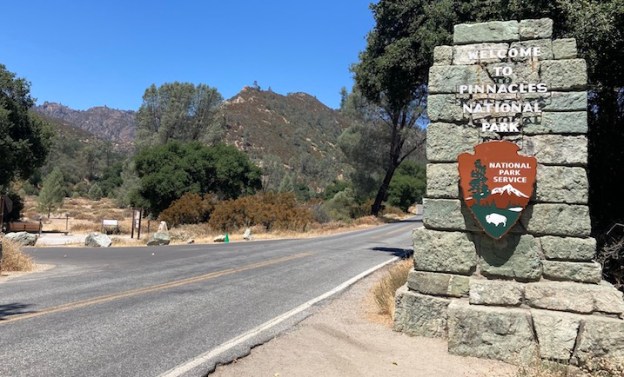
FSM Exclusive: Intro to Pinnacles National Park

For the wanderers out there considering a visit to Pinnacles National Park, Free Sports Mag takes a quick look at California’s newest park in this exclusive 30-minute video.

But first, some cool background information about Pinnacles directly from the NPS website:

Some 23 million years ago multiple volcanoes erupted, flowed, and slid to form what would become Pinnacles National Park. What remains is a unique landscape. Travelers journey through chaparral, oak woodlands, and canyon bottoms. Hikers enter rare talus caves and emerge to towering rock spires teeming with life: prairie and peregrine falcons, golden eagles, and the inspiring California condor.

The most recent update to Pinnacles is its redesignation from National Monument to National Park when in 2013, Pinnacles became the 59th National Park. It was originally designated as a monument because of its unique geologic features such as rock spires and crags that are remnants of volcanic activity millions of years ago. However, the abundance of cultural and natural resources in the park, including its many federally protected species, made it an appropriate candidate for a National Park. The United States Senate and President Obama passed the bill that redesignated Pinnacles to a National Park which included a 3,000 acre expansion of wilderness to be named the Hain wilderness, in honor of the homesteader Schuyler Hain who worked to protect it in the early 1900s. The redesignation has also increased visitation and tourism to nearby communities.

Click here to see FSM’s quick review of the park and campsite!

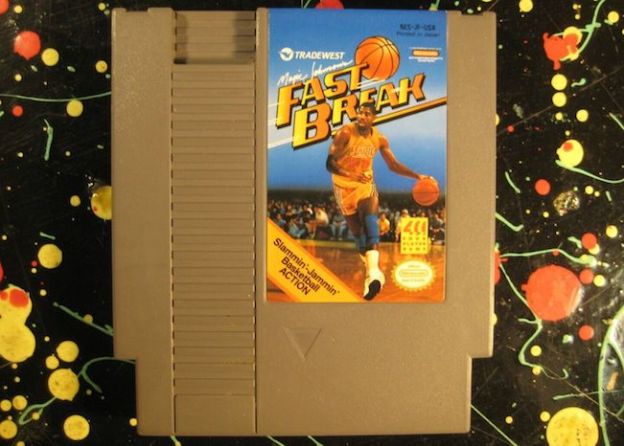
Magic Johnson’s Fast Break Turns 35

Magic Johnson’s Fast Break is a basketball video game released for the Nintendo Entertainment System (NES) in 1988. The game was developed and published by Tradewest, and it features basketball legend Magic Johnson as its namesake and cover star. Now 35 years old, FSM explores of if the game stands the test of time…

The game itself received mixed reviews from players and critics, which may have impacted its commercial success. Some praised it for its fast-paced gameplay and action, while others criticized it for its lack of depth and limited gameplay mechanics. The graphics and sound were considered decent for the NES era, but weren’t groundbreaking in terms of presentation.

However, the basketball game does offer a unique and fast-paced interpretation of the sport. While the game is played scrolling from side-to-side, similar to other classic basketball games of its time, the gameplay significantly differs as gamers are playing 2 on 2 instead of the traditional 5 on 5. Of course, 2 on 2 makes it easier to have Fast Breaks (and earn more money in the game) and makes for a different gaming experience. There is also the big Pepsi banner at half court which hardcore fans always seem to remember.

Overall, Magic Johnson’s Fast Break aimed to provide action-packed basketball, focusing on quick decision-making and high-scoring gameplay. While it did not have the complexity and realism of modern basketball games, it offered an enjoyable and engaging experience for players during its time on the NES platform.

The game did not end up being as successful for Nintendo compared to some of the more popular sports games released for the NES around that time. While it had a unique concept and featured a well-known sports personality like Magic Johnson (but no other NBA players), it didn’t achieve the same level of recognition as games such as Double Dribble and Tecmo NBA Basketball which became more established and had broader appeal. Fast Break didn’t become a standout title for the NES and is often not as well-remembered as the iconic games mentioned above. Ultimately, the game’s success can be considered modest but not on the level of major NES hits.

In the end, whether someone considers Magic Johnson’s Fast Break to be good or not depends on personal preferences and nostalgia for retro gaming. If you’re a fan of basketball and enjoy classic NES games, it might be worth trying out to see if it appeals to you. However, keep in mind that video game standards and expectations have evolved significantly since the NES era, so it may not hold up to modern gaming experiences.

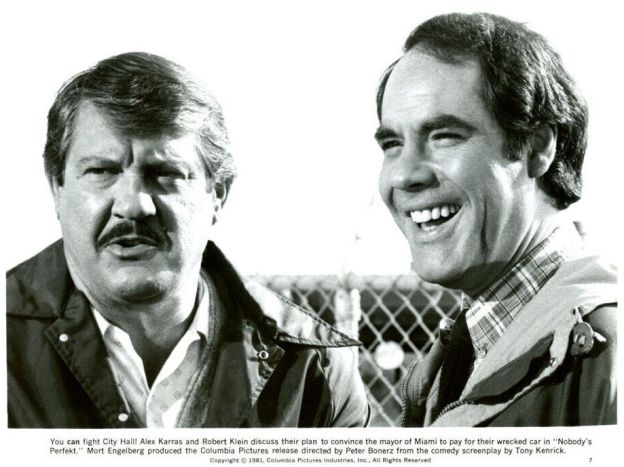
Alex Karras’ Top 3 Comedic Roles

Alex Karras got further into acting after his successful career as a professional football player ended. Upon retiring from the NFL, Karras pursued different opportunities in the entertainment industry beyond the smaller roles he landed while he was an active player. FSM presents the abridged version of his foray into acting and discusses his top 3 comedy performances:

Alex Karras played as a defensive tackle for the Detroit Lions in the National Football League (NFL) from 1958 to 1970. He had a notable career and was known for his strong presence on the field. Following his retirement from football, Karras ventured into sports broadcasting. He worked as a color commentator for NFL games and also had a stint as a co-host on “Monday Night Football” in the mid-1970s.

Karras made his acting debut in the late 1960s, appearing in a few guest roles on television shows such as “Daniel Boone” and “The Bing Crosby Show.” These early experiences sparked his interest in pursuing acting further. It was once retired however that his roles became larger and more prominent, as he had more time to dedicate to his new craft. His roles often matched his personality on the field – loud, boisterous and no nonsense.

In the 1970s and 1980s, Karras began to land his most notable roles in film and television and FSM has ranked the Top 3 comedic ones for your reading pleasure.

  1. Mongo in “Blazing Saddles” (1974): Karras played the character of Mongo, a hulking and dim-witted brute in Mel Brooks’ iconic comedy film. His portrayal of Mongo and the memorable scene of him punching out a horse made him a fan favorite.
  2. Sheriff Wallace in “Porky’s” (1981): In this raunchy teen comedy, Karras portrayed the role of Porky’s brother, a corrupt Sheriff who helps with straightening out wild teens from other counties. His comedic timing and tough-guy persona certainly enhance the film’s humor.
  3. Doc in “Webster” (TV Series, 1983-1989): Karras’ portrayal of George Papadopoulos, or “Doc,” in the television series “Webster” captured the hearts of viewers for many years. This popular sitcom followed the lives of a young orphan (played by Emanuel Lewis) and the couple who adopted him. Karras’ portrayal of the kind-hearted and lovable father figure earned him recognition and popularity among TV audiences across the board. He mostly made audiences laugh while hitting the serious notes as needed.

Alex Karras passed away on October 10, 2012 due to kidney failure. His death marked the end of a remarkable life that encompassed achievements in both professional football and acting.Throughout his acting career, he showcased his skills and versatility, transitioning from his football background to become a respected figure in the entertainment industry.

The History of Nathan’s Hot Dog Eating Contest

The Nathan’s Hot Dog eating contest has become a legendary annual event held on July 4th at Coney Island, New York. The origins of this contest can be traced back to a friendly competition among immigrants in the early 20th century.

The contest’s roots can be found in the tradition of settling disputes among working-class men on Coney Island. According to popular legend, in 1916, a group of four immigrants—Irish immigrant James Mullen, Polish immigrant Max Bruck, German immigrant Chris Nicoll, and an unidentified man—decided to hold a hot dog eating contest to settle an argument about who was the most patriotic among them. As the story goes, they gathered in front of Nathan’s Famous, a popular hot dog stand owned by Nathan Handwerker, and began consuming as many hot dogs as possible in a set amount of time.

Nathan Handwerker saw the potential in this spectacle and embraced it as a promotional opportunity for his business. The contest gained attention and became an annual event at Nathan’s Famous. Over the years, it grew in popularity and attracted participants from various backgrounds.

In 1972, the contest took a hiatus but was revived in 1974 by PR man Max Rosey, who wanted to use the event to generate publicity for Nathan’s Famous. The contest has been held every year since then and has become a cherished tradition, drawing thousands of spectators to witness competitive eaters from around the world battle it out to consume the most hot dogs in a given time period.

Today, the Nathan’s Hot Dog eating contest is organized by Major League Eating (MLE), a professional competitive eating organization, and has gained international recognition as one of the most prestigious events in the competitive eating circuit. It is broadcast live on television every 4th of July and has catapulted many participants to fame in the world of competitive eating.

The origins of Major League Eating can be traced back to the early 1990s and the efforts of brothers George and Richard Shea. In 1997, George and Richard Shea, who were public relations professionals, were hired by the owners of Nathan’s Famous to rebrand and promote the Nathan’s Hot Dog eating contest. Recognizing the potential for competitive eating as a spectator sport, the Shea brothers sought to elevate it to a professional level and establish a governing body to oversee the events.

Later that same year, the brothers founded the International Federation of Competitive Eating (IFOCE) as the governing body for competitive eating. The IFOCE was responsible for establishing rules, rankings, and standards for various eating contests. They aimed to transform competitive eating into a legitimate sport and attract sponsors, media coverage, and public interest.

Under the IFOCE, the Shea brothers worked to expand the competitive eating circuit, organize events, and attract top eaters. They introduced a structured ranking system and established guidelines for competitions to ensure fairness and safety. Over time, the IFOCE gained recognition as the leading authority in the world of competitive eating.

In 2001, the IFOCE was rebranded as Major League Eating (MLE) to reflect its professional approach and enhance its marketability. MLE continued to expand its reach and popularity by organizing and sanctioning eating contests across the United States and internationally. The Nathan’s Hot Dog eating contest remained one of MLE’s flagship events, drawing significant media attention and shaping the perception of competitive eating as a competitive sport.

Major League Eating continues to oversee and promote competitive eating events, maintain rankings and records, and collaborate with sponsors, broadcasters, and participants to elevate the sport’s profile. It has played a significant role in popularizing and professionalizing competitive eating, turning it into a recognized and respected form of competition.

The first champion of the Nathan’s Hot Dog eating contest under the organization of Major League Eating (MLE) was Takeru Kobayashi. Kobayashi, a competitive eater from Japan, made his debut in the contest in 2001 and quickly revolutionized the sport with his unique eating technique and extraordinary capacity.

In his first year, Kobayashi shattered the existing world record by consuming 50 hot dogs and buns in 12 minutes, doubling the previous record. His incredible performance not only earned him the title but also captured the attention of the media and spectators, propelling competitive eating into the mainstream.

Kobayashi went on to dominate the Nathan’s Hot Dog eating contest for the next six years, winning the championship from 2001 to 2006. His unorthodox “Solomon Method,” which involved separating the hot dog from the bun and consuming them separately, allowed him to eat at an astonishing pace and set multiple records.

However, in 2007, Kobayashi’s reign as the champion came to an end when he was defeated by Joey Chestnut, an American competitive eater. Chestnut consumed 66 hot dogs and buns, surpassing Kobayashi’s previous record of 63. This marked the beginning of Chestnut’s own dominant era in the contest, as he went on to win the Nathan’s Hot Dog eating contest for several consecutive years.

It’s worth noting that in recent years, Kobayashi has not competed in the Nathan’s Hot Dog eating contest due to contractual disputes with Major League Eating. Nonetheless, his contributions to the sport and his initial victories played a crucial role in establishing the contest’s popularity and setting the stage for future champions.

Joey Chestnut is the reigning champion of the Nathan’s Hot Dog eating contest under Major League Eating (MLE). Chestnut has been a dominant force in the competitive eating world and has held the title for numerous consecutive years. His record-breaking streak began in 2007 when he defeated Kobayashi (ending his six-year reign as champion). Since then, Chestnut has continued to dominate the competition, consistently consuming a large number of hot dogs and securing the championship year after year. Think you beat him? You can start practicing this Independence Day!

Find ways to watch this year’s contest by clicking here.

Remember Woody Strode for Breaking Barriers

Woody Strode broke barriers and made significant contributions to society in various aspects of his life and career. While Strode’s impact may not be as widely recognized as some other historical figures, his determination and success in breaking barriers in professional football and Hollywood have made a lasting impact on the sports and entertainment industries, as well as on the fight for racial equality. Free Sports Magazine proudly presents the abridged story of his life.

Western movie fans may not know Woody Strode was a professional American football player before transitioning into acting. Born on July 25, 1914, in Los Angeles, California, Strode attended UCLA (University of California, Los Angeles), where he excelled in athletics, particularly in football and track and field.

Strode played as a standout fullback and defensive lineman for the UCLA Bruins football team during the late 1930s. His performance in college earned him recognition, and he was named to the All-American team in 1939. Making things more interesting, one of Strode’s teammates was THE Jackie Robinson. Yes, you read that correctly. Woody Strode and Jackie Robinson were indeed teammates on the same football team.

In 1939, both Strode and Robinson played for the UCLA Bruins which went undefeated with a record of 8-0-1 that season. During their time at UCLA, Strode played as a standout fullback and defensive lineman, while Robinson played as a running back. Strode’s physicality, strength, and versatility on the field, combined with Robinson’s speed and agility, contributed to the team’s success. Their undefeated season in 1939 remains a notable achievement in UCLA football history to this day.

After college, Strode played professional football in the NFL (National Football League). He signed with the Los Angeles Rams in 1946, becoming one of the first African-American players in the league’s modern era. Strode played for the Rams for two seasons before finishing his football career in Canada, where he played for the Calgary Stampeders in the Canadian Football League (CFL).

Following his football career, Strode transitioned into acting and appeared in numerous films and television shows. Strode’s athletic background often played a role in the types of characters he portrayed on screen, bringing a physicality and presence to his performances. The football star turned thespian delivered several outstanding performances throughout his acting career. While opinions may vary on his best movie performances, there were some notable ones that garnered critical acclaim and showcased his talent. Each film showcased different facets of his skillset, making it difficult to pinpoint a single best performance:

1. Spartacus (1960) – Strode portrayed the character of Draba, a gladiator in this epic historical drama. His memorable fight scene with Kirk Douglas’s character remains one of the film’s highlights.

2. The Man Who Shot Liberty Valance (1962) – Strode’s role as Pompey, a loyal ranch hand, in this classic Western showcased his strength and stoic presence. His chemistry with John Wayne’s character added depth to the film.

3. Sergeant Rutledge (1960) – Strode played the title role of Sergeant Braxton Rutledge, a Buffalo Soldier accused of rape and murder. His portrayal of Rutledge’s dignity and strength in the face of injustice was highly praised.

4. Once Upon a Time in the West (1968) – In this Sergio Leone spaghetti Western, Strode portrayed Stony, one of the gunmen hired to intimidate the protagonist. He showcased his physicality and intensity in a standout performance.

5. The Professionals (1966) – Strode’s role as Jake Sharp, a member of a group of mercenaries, displayed his versatility as an actor. He brought depth to the character and shared excellent chemistry with his co-stars.

While Woody Strode had a successful and exciting career, he should be most remembered for the multiple barriers he broke on the field, in front of the camera, and in real life.

He was one of the first African-American players in the modern era of the National Football League (NFL). He signed with the Los Angeles Rams in 1946, paving the way for future generations of Black athletes in professional football.

As an actor, he faced challenges and racial barriers in the film industry. However, he managed to carve out a successful career in an era when opportunities for Black actors were limited. He played diverse roles that went beyond stereotypes, helping to open doors for other African-American actors in Hollywood. Strode worked alongside Sidney Poitier, another trailblazing African-American actor, in the film “The Defiant Ones” (1958). Their performances in the movie, which addressed racial tensions and prejudice, helped bring attention to issues of racial equality and social justice.

Woody Strode passed away on December 31, 1994 after a battle with lung cancer. His final film was The Quick and the Dead (1995) which was released posthumously and directed by Sam Raimi of Evil Dead and Spiderman fame. In the movie, Strode finds himself in the Wild West yet again and is surrounded by an all-star ensemble cast for one last time. And while it is easy to watch Strode portray a wandering gunfighter named Charlie Moonlight, it is easier to forget his achievements and contributions as an athlete and actor were made in the face of many racial barriers. Strode’s courage and talent is not be forgotten and should continue to serve as a source of inspiration for aspiring athletes, actors, and other professionals.