Category Archives: hiking

FSM Exclusive: Intro to Pinnacles National Park

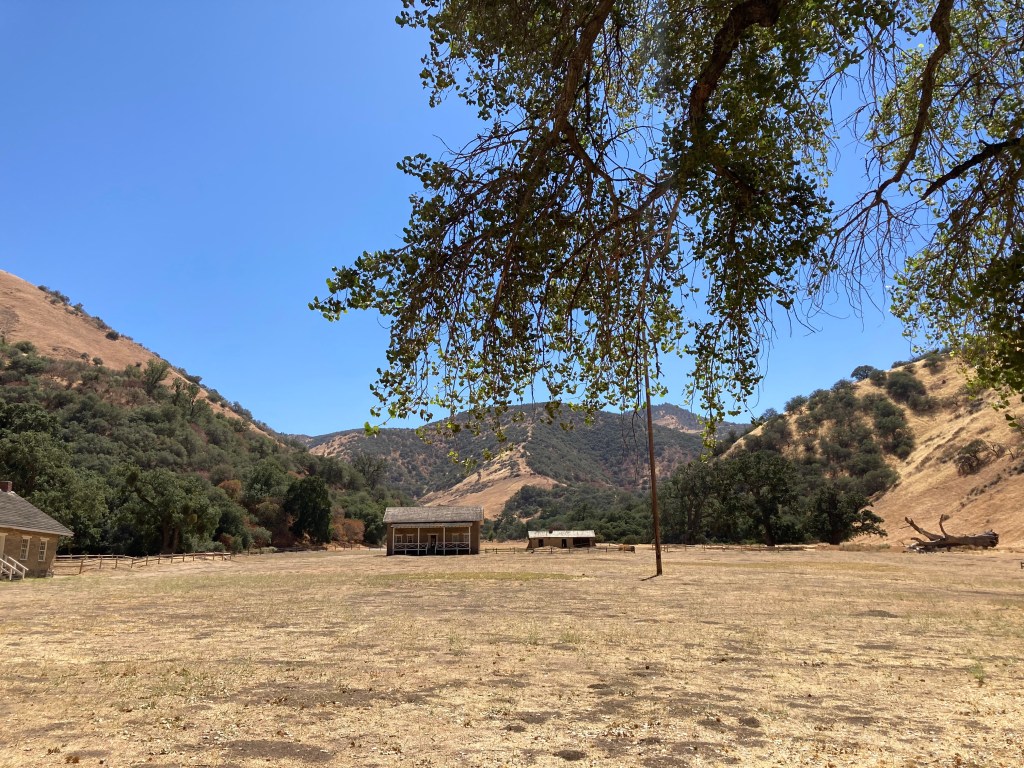
For the wanderers out there considering a visit to Pinnacles National Park, Free Sports Mag takes a quick look at California’s newest park in this exclusive 30-minute video.

But first, some cool background information about Pinnacles directly from the NPS website:

Some 23 million years ago multiple volcanoes erupted, flowed, and slid to form what would become Pinnacles National Park. What remains is a unique landscape. Travelers journey through chaparral, oak woodlands, and canyon bottoms. Hikers enter rare talus caves and emerge to towering rock spires teeming with life: prairie and peregrine falcons, golden eagles, and the inspiring California condor.

The most recent update to Pinnacles is its redesignation from National Monument to National Park when in 2013, Pinnacles became the 59th National Park. It was originally designated as a monument because of its unique geologic features such as rock spires and crags that are remnants of volcanic activity millions of years ago. However, the abundance of cultural and natural resources in the park, including its many federally protected species, made it an appropriate candidate for a National Park. The United States Senate and President Obama passed the bill that redesignated Pinnacles to a National Park which included a 3,000 acre expansion of wilderness to be named the Hain wilderness, in honor of the homesteader Schuyler Hain who worked to protect it in the early 1900s. The redesignation has also increased visitation and tourism to nearby communities.

Click here to see FSM’s quick review of the park and campsite!

An Adventure into the Wild: The National Parks of Sri Lanka

Are you a fellow wildlife enthusiast? Then visiting the National Parks is a must when you’re in Sri Lanka. The country is blessed with a number of these jungle-clad areas housing diverse species of flora and fauna. Read on to discover some of the most popular National Parks of Sri Lanka. Our friends from the Travellanka Connection break down the top 5!

Wilpattu National Park

Located 30 kilometers west of Anuradhapura, Wilpattu National Park has declared a wildlife sanctuary in 1905. It was later elevated to “National Park” status. Spanning an area of no less than 131,693 hectares, this is the largest National Park in Sri Lanka. Wilpattu National Park has a unique topography; a complex of around 50 wetlands known as “Villus”. Surrounded by open, grassy plains, “Villus” are shallow lakes filled with rainwater. The best time to visit this National Park is the dry season between May to September. One would be able to spot an array of wildlife species including sambar deer, crocodiles, wild boars, wild elephants, and especially the elusive Sri Lankan leopard.

Yala National Park

Book a Sri Lanka Holiday Package to explore the famous Yala National Park; the second-largest wildlife reserve and one of the first protected sanctuaries to have been established in the tear-drop island nation. This National Park is home to over 31 mammals and more than 124 species of birds. The terrain boasts lush, green environs, and is home to its fair share of reptiles and other lagoon fauna. Embark on a jeep safari to spot the elusive leopard. These safaris are available during early morning and evening hours. Travel Lanka Connection and similar other reputed travel companies will put together carefully curated itineraries to suit all your travel needs – and this can include a safari to Yala National Park as well!

Kumana National Park

Kumana National Park is nestled on the eastern fringes of Yala National Park; however, it is considered a wildlife hub in its own right. Famous among avid birders and ornithologists, this National Park is blessed with a number of magnificent bird species. A few of the most prized bird species that one can spot here include the rare, black-necked storks, egrets, hawk eagles, godwits, and ibises. The park is also a prime location to spot many wildlife species such as sambar deer and elephants.

Minneriya National Park

Minneriya National Park is located in the middle of the famous cultural triangle of Sri Lanka. It is mostly famous for “The Gathering”, which is believed to be the world’s largest congregation of Asian elephants. The best time to witness this spectacular phenomenon is during the dry season, which spans from July to October; hundreds of elephants gather around the lake in search of water, creating a majestic scenery for the onlookers. Apart from the elephants, many inhabitants call this relatively small National Park their home, and these include the purple-faced langur monkeys, spotted deer, sambar, and macaques.

Wasgamuwa National Park

Located approximately 225 kilometres away from Colombo, Wasgamuwa National Park is bordered by two rivers – Mahaweli Ganga and Amban Ganga (‘ganga’ translates to ‘river’ in English). The park is dominated by a dry-mixed evergreen forest and is characterized by tall trees such as Weera, Palu, and Burutha. From November to May, tourists can spot large herds of elephants. These gentle giants migrate to the nearby Minneriya and Kaudulla National Parks during the dry season. Apart from mammals such as purple-faced langur monkeys and wild boars, Wasgamuwa National Park is famous for birds such as the endemic red-faced mal koha, Ceylon jungle fowl, and lesser adjutant stork.

Duck, Duck, Goose! Restored Wetlands Thriving

(NewsUSA) – As the sun rises in middle America, nature comes to life. Ducks, geese and other birds emerge from a marsh, taking flight into a golden sky, while prairie grasses whisper in the morning breeze and insects begin to hum.     

The growing cacophony of honks, quacks, chirps and splashes is music to Jason Black’s ears. As public land manager of the McPherson Valley Wetlands in central Kansas, they are proof that this habitat is thriving.     

“This is a special place,” says Black. “I get to watch it grow through the seasons, watch the birds come and go. Everything from our state bird, the meadowlark, to whooping cranes to a number of species of ducks and geese and shorebirds when water conditions and migration are lined up just right.”     

These public wetlands were recently improved through a public-private partnership thanks in big part to one of the nation’s largest clean energy infrastructure companies, Williams. The company’s generous contribution allowed Ducks Unlimited to seek matching funds to restore several areas that are critical to waterfowl during spring and fall migrations.     

The wetlands project included restoration of approximately 160 acres of previously drained and cropped agricultural fields. New water-control infrastructure was installed and prairie seeds planted to improve wildlife habitat for quail, pheasants and other grassland birds, along with pollinators.     

The marsh is the first of a series of connected wetlands in the complex and will help improve water downstream. The wetlands in the area provide critical resources for migrating waterfowl and other birds along the Central Flyway, along with outdoor recreation for residents and visitors.     

“We take great pride in being responsible environmental stewards and are honored to support Ducks Unlimited,” says Matthew Baker, manager of engineering at Williams. “Doing what is right for our local communities is part of who we are at Williams, and this collaboration is one of the many ways we aim to preserve resources for future generations while making a positive impact today.”     

The wetland restoration is one of many environmental stewardship and sustainability projects that Williams is supporting along its nationwide footprint. Others include planting seedlings, building hiking trails, developing wildlife crossings and funding intercity marine education programs.     

For more information, visit www.williams.com/sustainability.

Fort Tejon: Get Some Exercise Before Your Final Destination

California has always had a history of looking after their own. This includes in 1854 when Fort Tejon was established to protect its residents from people looking to do them harm and to crack down on cattle raiding. In 2022, the fort still provides refuge for overheated cars, respite for tired travelers, and tons of cool things to explore.

When driving through the infamous Grapevine on I-5 in southern California, one doesn’t necessarily think to themselves, “Hmm, this seems like a good place to stop.” Nor should they unless they are planning on making a quick stop at Fort Tejon State Historic Park. This hidden gem is located right off the highway and has been a cooling down spot for autos and their radiators struggling to make it through the vine for years. But just behind the wall of trees that line the parking lot lie the remains of a powerful little fort – and a great spot for EXERCISE!

View of Fort Tejon State Park

The beauty of Fort Tejon hits you once you walk past that wall of trees and take a quick turn through a small wooden gate. Multiple structures in various stages of preservation make up the perimeter of Fort Tejon, giving it a weird Melrose Place (the TV show) feel with an open field and a handful of picnic tables acting as the pool/courtyard.

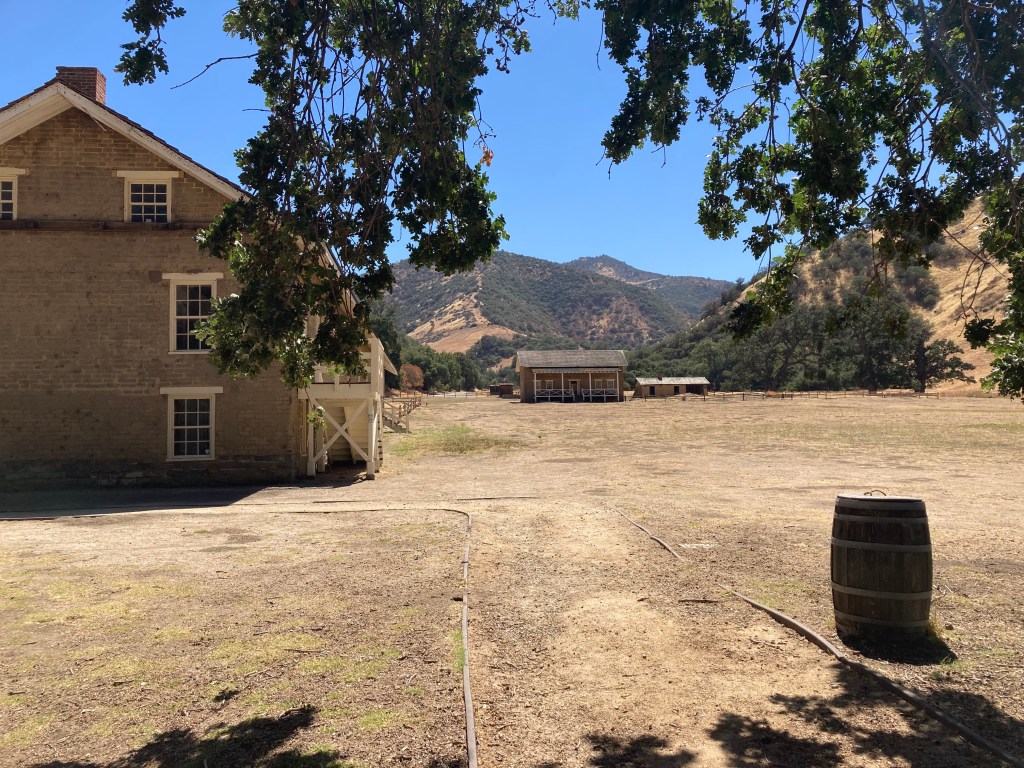
Preserved buildings at Fort Tejon State Historic Park

In addition to taking in some great California history, stopping at Fort Tejon State Park can be good for your health! If you’ve been sitting or driving for a long time, the fields and open areas are a great place to move around to get the blood flowing. Remember that sitting down for too long can be dangerous in certain situations. Road trip veterans may know this but that doesn’t mean rookie mistakes don’t happen once and a while. The Fort offers a safe space for some quick activity and never gets too busy.

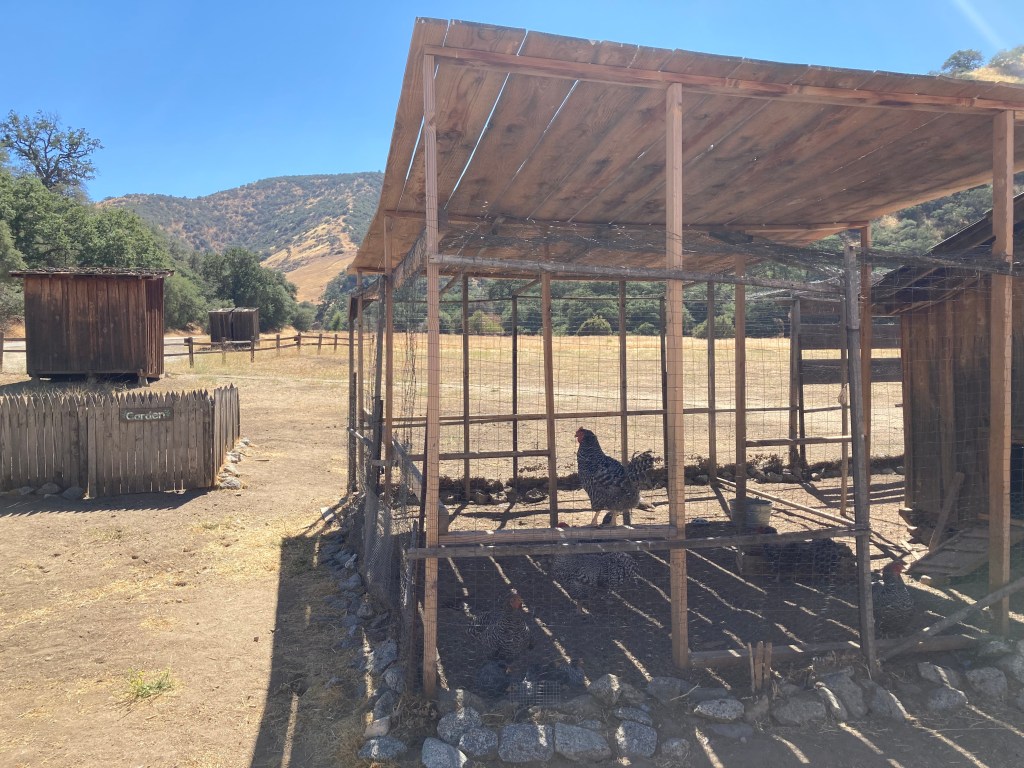
Chicken Coop at Fort Tejon

So, when traveling this path, consider visiting Fort Tejon State Historic Park before you reach your next destination for any of the following heart healthy activities:

Individualized Stretch Routine

10 Minute Yoga

Meditation

Easy Hiking / Exploring

Brisk Walking

Running

Sprints

For more info about Fort Tejon State Historic Park, click here.

Michelin Tires Helped Yellowstone National Park Go Green

Tourists visiting Yellowstone National Park’s famous geyser, “Old Faithful,” will use tires even once they get out of their cars for a closer look. Old Faithful, you see, boasts a porous, clean, flexible walkway made almost entirely of recycled Michelin tires. The “paved” surface, known as Flexi-Pave and manufactured by the company K.B. Industries (KBI), is kinder to the environment than asphalt because the permeable composite material allows for better erosion control and preservation of the natural patterns of groundwater flow. In addition, the walkway surface is highly durable and tolerant of extreme hot or cold weather, and does not leach any oil into the surrounding environment.

“The material used to create KBI’s Flexi-Pave is completely benign and therefore can be used safely with the delicate aquifers here in Yellowstone,” said Kevin Bragnall, CEO and founder of KBI, in a statement. The Old Faithful Walkway Project covers 6,400 square feet and includes 900 Michelin tires. “The path allows 3,000 gallons of groundwater to pass per square foot. It also is designed to diffuse the water’s force, helping prevent erosion,” Bagnall noted.

“The Old Faithful Walkway Project is a great example of what a difference a company devoted to sustainability can make in the world’s first national park,” said Karen Bates Kress, president of the Yellowstone Park Foundation, in a statement. “We are fortunate to have a corporate partner as farsighted, public-spirited and generous as Michelin,” she added. Underscoring how important this project was to the 126-year-old tire company, Michelin flew in a team of employees from across the country to help complete the construction of the walkway. The 10 volunteers were winners of a company-wide contest to participate in the project.

Michelin is a major corporate sponsor of the Yellowstone Park Foundation, with a goal of helping the park curb operating expenses and reduce the consumption of raw materials. To ensure this, Michelin regularly donates and helps maintain thousands of tires for Yellowstone National Park’s more than 800 vehicles, including patrol cars, garbage trucks, snow plows and load-hauling tractor trailers. The tires feature the latest in green tire technology to help save fuel and reduce emissions.

“Helping build and provide material for this new pathway is very much in line with Michelin’s goal of working with the Yellowstone Park Foundation,” said Leesa Owens, director of community relations for Michelin, in a statement.

Get Outside and Celebrate National Trails Day

Photo credit: Verónica Miranda

(NewsUSA) – This year, on June 4, millions of people across the United States will hit the trail, any trail, to celebrate the 30th annual American Hiking Society’s National Trails Day.® This year’s celebration focuses on encouraging novice and veteran trail lovers to come together to leave trails and the outdoor community better than they found them. Hikers, cyclists, horseback riders, paddlers, trail clubs, federal and local agencies, land trusts and businesses will partner at events across the country to forge a more inclusive trail community and advocate for, maintain and clean up trails and public lands.

American Hiking Society and the nationwide trails community invite people of all ages and abilities to connect with their friends and neighbors around the joy of being outside. Anyone can join the national movement by giving back to the trails to help ensure that everyone can enjoy the outdoors.

“There’s something magical about being outdoors,” says Kate Van Waes, Executive Director of American Hiking Society.

“Fresh air, birds singing, moving along a trail, or even just around the block; there’s nothing quite like it,” she emphasizes. “But today, those trails and green spaces are in dire need of help, and not everyone has access to or feels welcome in these places that can calm and inspire,” Dr. Van Waes explains.

“National Trails Day is the perfect opportunity to get out there with the people you love, give back to the trails that bring us together and make sure no one is left out.”

Not just on National Trails Day, but any day is a great time to commit to keeping the outdoors accessible and restorative for all.

Some ways you can make a difference include:

– Join a local trail event, or start your own. Search the American Hiking Society website for events in your area.

– Take the National Trails Day Pledge, and commit to leaving the trail and the outdoor community better than you find them. For example, take a trash bag with you on a walk or hike. Or speak up and tell your Members of Congress to support the Transit to Trails Act. You’ll be entered to win prizes from National Trails Day sponsors AKHG by Duluth Trading Co., Athletic Brewing Co., REI Co-op, Osprey Packs, and more.

– Share how you’ll leave the trail and the outdoor community better than you found them, and tag #NationalTrailsDay and @AmericanHiking on social media. Photos and videos tagged on Instagram will be entered into the National Trails Day® photo contest for a chance to win premium gear prize packages.

Visit americanhiking.org for more information and to find events near you.

American Hiking Society’s National Trails Day® is made possible by the generous support of corporate sponsors — AKGH by Duluth Trading Co., Athletic Brewing Co., REI Co-Op, and Osprey Packs. federal partners include the National Park Service, Bureau of Land Management, Federal Highway Administration, and U.S. Forest Service.

Rail-Trails Are Hidden Gems, And Good for You Too!

Explore Your Local Trails, Enjoy Long-Term Health Benefits

(NewsUSA) – Stress — it’s everywhere. But there is an easy form of stress reduction that is as simple as opening your front door.

Spending time outside can help improve your physical and mental health, and you don’t have to be an extreme athlete to reap the benefits.

Studies show that simply going out for a walk in nature can help build strength and endurance, and contribute to feelings of relaxation and resilience. Being active outside has proven benefits for people’s minds and bodies.

Rail-trails in particular are ideal for individuals of all abilities and fitness levels to safely enjoy the outdoors. Rail-trails are multipurpose public paths created from former railroad corridor. That means they are flat or gently sloping, have a hard surface that makes them accessible to all types of activities and are available in rural and urban areas.

Rails-to-Trails Conservancy is a nonprofit organization dedicated to connecting communities across America with trails. One way they do this is through promoting the value of time spent outside — by encouraging people to make “trail moments” a regular part of their lives and sharing these experiences to inspire others to discover the convenience and joy of being active outside on trails.

“I feel really lucky to have grown up in Virginia, and now I live in Washington state, with lots of access to these trails, but there are literally thousands of miles of rail-trails all over the country,” says Miranda Webster, (@mirandagoesoutside) a longtime outdoor-enthusiast.

“So, whether you are mountain biking, hiking, walking your dog, or riding your bike, I hope that you’re able to find a trail near you where you can enjoy it as much as I have through my entire life,” she says.

Travel blogger Jeff Jenkins (@chubbydiaries_), based in Texas, has taken his wanderlust to local trails in a series of blogs and videos for the Rails-to-Trails Conservancy.

“Now, I’m showing people how to discover their own backyards, from their local cities to national parks, trails and the great outdoors,” says Mr. Jenkins, who has also created an online community for plus-sized travelers at chubbydiaries.com.

“So often people see trails as a way to get a little outdoor recreation, and yes, that’s true,” says Ian Mackay (@ians_ride), who regularly enjoys the trails in rural Washington state from his power wheelchair. “But it is so much more for me… having a safe trail space where I can go explore my own interests, interact with the community, and run my own errands is monumental to my happiness,” adds Mr. Mackay, who is also the founder of Ian’s Ride, a nonprofit organization.

This fall, Rails-to-Trails Conservancy is taking inspiration from the thousands of stories that people have shared about the personal impact of time spent outside on trails and encouraging people of all ages and abilities to make a habit of it. Their #TrailMoments 21-Day Challenge offers fun activities to encourage people to get out on the trail every day.

Visit the Rails-to-Trails Conservancy website for more information and tips on making outdoor time part of your daily routine. www.railstotrails.org/trailmoments and @railstotrails #TrailMoments on social media.
FSM Editorial: In Free Solo, Conquering Fear Is Not the Goal

An abridged version of the recent award winning documentary Free Solo goes something like this: Man climbs giant rock in Yosemite with no safety equipment for first time in history. The longer version involves a man with poor social skills, elite climbing skills, and a small circle of really patient friends. Instead of spoiling the journey for those who have not watched this epic documentary yet, I just want to focus on something simple said by protagonist Alex Honnald when he was discussing the danger of free soloing the famously tall El Capitan:

“YOU FACE YOUR FEAR BECAUSE YOUR GOAL DEMANDS IT.”

I physically moved, well flinched actually, upon hearing that quote for the first time (I’ve watched the film many more times since then). So simple yet so profound – one of those obvious tidbits of information I hear once in blue moon that completely changes my way of looking at something.

For so long, I’ve conflated conquering fear with the ultimate outcome of a goal. Consider for example, a swimming goal for a child who is afraid of the water. The goal itself is recording if the child gets in the pool or not, not necessarily if they are afraid. In that sense, conquering the fear of water isn’t the ultimate goal – getting in the pool is! Not being afraid is just a benchmark to hit along the way.

Or think of a person who wants to visit someone in another country but is too afraid of flying. If the goal is to fly to another country, they will have to learn more about flying than just how to manage their fear. Being unafraid won’t guarantee the individual makes it to his or her final destination. Imagine showing up in the wrong country? Then we’ll have new fears to deal with. Another example is a first time entrepreneur who finally overcomes their fear of taking out a large loan. They were just loaned the money, now what? 

Alex Honnald’s goal was never to conquer his fear of dying. His goal was to free solo El Captian. When he was confident enough in his skills and preparation, his fear of making a fatal mistake subsided. But he still had to climb the darn rock!

You face your fear because your goal demands it. So I’m moving forward with this new mentality of looking at conquering fear as more of a benchmark, or a dragon to be slain along the way, than the end result.

To purchase Free Solo on amazing 4K, click here.

FSM Editorial: COVID & Angels

With COVID-19 forcing people to social distance, our country’s beloved national parks have received a much-needed boost in foot traffic. One of these parks offers a healthy dose of danger and excitement and is more accessible than you might think…

Angels Landing located at Zion National Park in Utah is perhaps the most semi-famous hike in the United States. Many hikers I’ve encountered during my travels have “kind of” heard of it. Common responses are, “That’s the one with the big walls right?” or “The one where people always fall off and die?” My answer to these and similar questions is usually, “Well…kinda.”

Anyone in half decent shape shouldn’t have trouble completing this hike. There is nothing overly strenuous about this trail. The switchbacks leading up to the final leg of the trail are steep but they are also paved which is extremely helpful (not to mention a rarity on this kind of trek).  This section is affectionately known as Walton’s Wiggles. As you hike up the wiggles, you will have solid canyon wall to your left.  To your right, you will have a sliver of a view of the bigger canyon you find yourself in. Depending on the time of day, you will see a different mix of orange, red, and maroon in the rocks with random greenery sprinkled throughout. An avid hiker would probably spend no more than 60 minutes completing this trail through the end of Walton’s Wiggles.

The WW switchbacks lead to a narrow trail that eventually ascends like a staircase to the point of the trail known as Scout’s Lookout. This is where first timers will have an initial glimpse of the behemoth they are about to take on. This is also where people usually start thinking about turning back. I mentioned earlier that this hike is not strenuous which is true. The emotional component to completing this hike cannot be understated however. When you are standing on Scout’s Lookout, gazing at the thin strip of trail that leads up to Angel’s Landing, looking at the thousands of feet of drop-off on each side, there is a good chance your nerves will make the decision of quitting or going on for you. Don’t make a hasty decision though. Use the random outhouse at the lookout if you need a second to compose yourself. Take reassurance knowing that the number of people who have died trying to reach the top is not even in double digits. My point is that’s an extremely low number.

Admittedly, there are a few spots on the way to the top of Angels Landing that could use some chains. But the final portion of trail is well constructed and safe overall. Hold on to the chains whenever available, watch where you step, and resist the urge to take in the scenery until you summit. Once you make it to the top, there is plenty of space to relax safely and admire the beautiful views: giant walls of multi colored rock on both sides with a river curving its way through the canyon floor.

Don’t let any initial fears at Scout’s Lookout prevent you from completing this hike. If you exercise caution and respect your environment, you should be fine. The payoff for crossing the finish line is twofold. You get treated to unimaginable views that few will ever see form that vantage point and you gain the satisfaction of completing what most consider a daunting task. The trail is properly named. If a landing strip for angels really exists in Utah, there is good chance this is it.