Category Archives: Football

The Greatest Christmas Day Game in Sports History

The assertion that the Miami Dolphins versus Kansas City Chiefs game in the NFL Divisional Playoff on December 25, 1971, stands as the greatest professional sports contest ever played on Christmas Day is compelling because of its historic significance, extraordinary drama, and enduring legacy. More than just a football game, the “Christmas Day Classic” has become a symbol of athletic endurance and competitive will, setting a standard that few holiday matchups in any sport have rivaled.

First, the game’s historical context elevates its importance. It was the first NFL playoff game ever played on Christmas Day, marking a bold step for the league into holiday sports broadcasting. At a time when Christmas was traditionally reserved for family gatherings rather than professional football, this matchup captured national attention and demonstrated that the NFL could command the spotlight even on America’s most cherished holiday. The stakes were immense: a trip to the AFC Championship Game. That combination of novelty and consequence ensured the contest would be remembered long after the decorations came down.

Second, the game’s sheer drama and endurance make it legendary. The Dolphins and Chiefs battled for 82 minutes and 40 seconds of game time, making it the longest game in NFL history at the time, stretching into double overtime. Neither team could pull away, and every possession felt decisive. Fans watched as players pushed through exhaustion, injuries, and the emotional weight of a holiday playoff. When Garo Yepremian finally kicked the winning field goal to give Miami a 27–24 victory, it felt less like the end of a game and more like the conclusion of an epic test of will.

Third, the level of talent on the field underscores why this contest transcends ordinary holiday games. The matchup featured future Hall of Famers and iconic figures such as Dolphins coach Don Shula and Chiefs coach Hank Stram, along with standout players who defined an era of football. The strategic battle between two great coaches and the execution by elite athletes added layers of quality to the spectacle. This was not simply a novelty game played on Christmas; it was top-tier professional football at its highest level.

Moreover, the legacy of the 1971 Dolphins–Chiefs game continues to shape how fans and media view Christmas Day sports. While the NBA has since made Christmas a marquee date filled with high-profile matchups, and the NFL has returned to scheduling games on the holiday, none have quite matched the mythic status of this playoff duel. The phrase “longest game ever” still evokes images of that frigid Kansas City night, when families delayed Christmas dinners and gathered around televisions, united by the drama unfolding on the field.

When considering everything mentioned above, the Miami Dolphins versus Kansas City Chiefs game on December 25, 1971, earns its place as the greatest Christmas Day game in professional sports because it combined historical firsts, unforgettable drama, elite competition, and a lasting cultural impact. It was not merely a contest played on a holiday; it became part of the holiday’s sporting identity. Decades later, it remains the benchmark against which all Christmas Day games are measured, a testament to the power of sport to create timeless moments—even on Christmas.

An Extremely Scientific and Not-At-All-Overly-Dramatic Investigation of the Madden Curse

For decades, football fans have debated one of the most important questions in sports—not whether overtime rules are fair, not whether the NFL should bring back those aggressively shiny 2000s jerseys, but something far more urgent: Does the Madden Curse really exist? And more importantly, should star players start refusing EA Sports’ calls the way we all avoid extended car warranties? Let us examine the evidence…

The Case For the Curse

The Madden Curse, in theory, is simple: a player appears on the cover of Madden, and something catastrophic happens the following season. Injury. Bad stats. A sudden inability to catch footballs, or in some cases, the sudden ability to catch only footballs thrown by the other team.

Some examples have become legendary. You can’t talk about the curse without mentioning the dramatic tales of players who went from “unstoppable MVP machine” to “guy on the sideline Googling physical therapy clinics.” Even skeptics have to admit the pattern can look a little spooky—like a sports-themed ghost whispering, “Nice ACL you got there… shame if something happened to it.”

The Case Against the Curse

Skeptics argue that star players get hurt because football is, scientifically speaking, a sport where enormous humans collide at highway speeds. They claim injuries are “normal” and “predictable” and not the result of a digital box with a picture of you pointing heroically into the middle distance.

These skeptics are, of course, no fun at parties.

Scientific Investigation (Not Peer Reviewed; Honestly Not Even Self Reviewed)

In conducting our personal research, we employed cutting-edge methodologies:

* Watching YouTube highlight compilations

* Googling “Is the Madden Curse real??”

* Squinting dramatically at spreadsheets

Our findings are groundbreaking: sometimes players get better after being on the cover. Sometimes they get worse. Sometimes they become memes. In other words, the Madden Curse behaves exactly like my houseplants—occasionally thriving, occasionally collapsing, and completely unpredictable.

Final Verdict

Does the Madden Curse truly exist? Maybe. Maybe not. But it’s definitely fun to blame when your favorite player suddenly forgets how ankles work.

And until science proves otherwise, we should all treat the Madden cover like a mysterious ancient artifact—admire from afar, but maybe don’t touch it unless you’ve recently updated your insurance policy.

So yes, the Madden Curse exists, at least in our hearts, our memes, and the overly dramatic sports takes we write on the internet.

Fantasy Football Logo

Why Do So Many People Play Fantasy Football?

Fantasy football isn’t just a side hobby anymore—it’s a huge part of how people enjoy the National Football League (NFL). Today, tens of millions of people in the U.S. and Canada play some form of fantasy sports, and football is by far the most popular. What started as a few fans keeping score with pen and paper has turned into a massive pastime that keeps growing every season. Millions of people draft teams, track player performances, and compete with friends, coworkers, or strangers in leagues that mirror the real NFL season.

According to the Fantasy Sports & Gaming Association (FSGA), more than 60 million people in North America play fantasy sports, with football being the most popular by a wide margin. Within this group, fantasy football alone accounts for tens of millions of participants, making it a cultural phenomenon that has transformed from a niche hobby into one of the most popular forms of sports entertainment in the United States and beyond. But why is it so popular?

One big reason for the boom is how easy it is now. Back in the day, you had to flip through the newspaper on Monday to add up stats by hand. Now, apps like ESPN, Yahoo, and Sleeper do everything for you instantly. You can draft your team in minutes, check scores on your phone, and even get alerts if one of your players is hurt. It’s simple enough that casual fans can play, but still competitive enough to keep hardcore football junkies hooked.

Another reason people love it is the social side. Fantasy football gives friends, coworkers, and even family members a reason to connect every week. Whether it’s talking trash in the group chat, holding a draft party, or sweating out a Monday Night Football game together, it turns watching football into a shared experience. For a lot of people, the league itself is as much about bonding as it is about winning.

The rise of media and social platforms has also made fantasy football bigger than ever. There are shows, podcasts, and entire websites dedicated to fantasy advice. Social media makes it easy to share hot takes, funny memes, or those heartbreaking last-second losses with your league mates. The constant coverage keeps people engaged and makes the fantasy world feel like part of the real NFL season.

Lastly, the popularity of sports betting has helped fantasy football grow, too. Daily fantasy leagues like DraftKings and FanDuel mix in a gambling element, and while season-long leagues are more about bragging rights, the competitive thrill is similar. People love the strategy, the unpredictability, and of course, the chance to win a little money (or at least avoid finishing last).

In the end, fantasy football has exploded because it’s easy, social, and fun. It turns every game into something personal, whether you’re rooting for your favorite team or just hoping your kicker doesn’t blow it. As long as football is around, fantasy football is only going to keep pulling in more players.

Travis Kelce Scores Touchdown in Debut as Executive Producer

Travis Kelce has ventured into film production with his role as executive producer for the dark comedy-drama My Dead Friend Zoe, which premiered at the South by Southwest Film Festival on March 9, 2024. The film, directed by Kyle Hausmann-Stokes, explores the story of a U.S. Army veteran dealing with the loss of her best friend and reconciling with her estranged grandfather. The all-star cast includes Morgan Freeman, Ed Harris, Sonequa Martin-Green, and Natalie Morales.

My Dead Friend Zoe is a dark comedy-drama centered on a U.S. Army veteran named Merit, who is grappling with post-military life and the emotional scars of her service. The story explores her complicated relationship with her late best friend, Zoe, whose ghost continues to appear, symbolizing unresolved grief and trauma. As Merit navigates her life, she also faces the challenge of reconnecting with her estranged grandfather, a Vietnam War veteran. Their generational differences and shared experiences with military service create tension, but also opportunities for healing and understanding. 

The film balances humor with heartfelt moments, offering a nuanced look at mental health, military culture, and the complexities of human connection. Perhaps its effectiveness is partly due to the source material for this story being director Hausmann-Stokes’ own experiences. A U.S. Army veteran himself, Hausmann-Stokes served in Iraq and has been an advocate for veteran mental health and storytelling. The film reflects his insights into the emotional and psychological challenges faced by veterans, including themes of grief, survivor’s guilt, and post-traumatic stress. 

Hausmann-Stokes has stated that the story, while fictional, draws heavily from his personal journey and those of fellow veterans, aiming to provide an authentic portrayal of military life and its aftermath. The character of Zoe, who appears as a ghost, symbolizes the lingering presence of fallen comrades, a feeling familiar to many who have served. The film seeks to address these issues with both humor and compassion, offering a fresh perspective on the veteran experience.

Audiences have responded positively to early screenings of the film with Rotten Tomatoes giving it a score of 100% at the time of this writing. Not a bad start for Travis Kelce’s first big project as a producer in Hollywood.

Super Bowl LIX: That’s a Lot of Wings!

With the Big Game upon us FreeSportsMagazine.com was wondering just how much football food is consumed on super Sunday. The results? We weren’t shocked (though we probably should have been). Check out how much food Americans consume during the Super Bowl and try not to get a stomach ache this year:

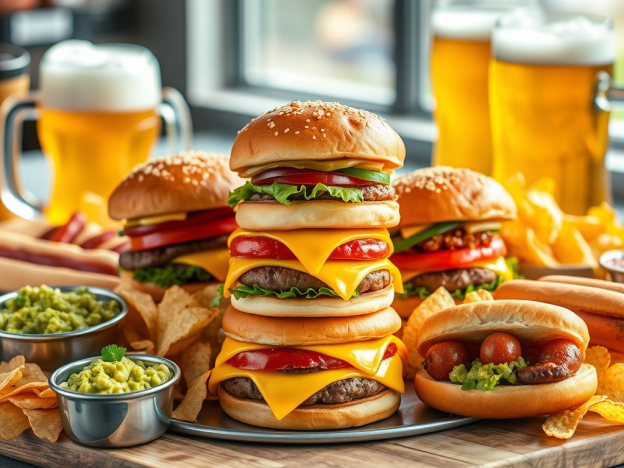
For starters, it’s estimated that around 11 million pounds of potato chips are consumed in the U.S. on Super Bowl Sunday.

About 8 million pounds of guacamole are consumed which goes hand-in-hand with all those chips the fans are munching on. Stating the obvious here – Super Bowl weekend is one of the biggest times of the year for avocado sales.

Another staple of the big game, Americans consume an estimated 1.45 billion chicken wings! That’s enough to circle the Earth three times if you lined them up end to end. Wings are definitely a game day MVP alongside chips and guac! Do you like them hot?

To quench their thirst, Americans drink an estimated 325 million gallons of beer while watching the Super Bowl. That’s enough to fill about 500 Olympic-sized swimming pools. Beer is the go-to beverage for many fans, perfectly pairing with all those wings, chips, and guac.

When looking at “main courses”, it’s estimated that around 14 million hamburgers and 10 million hot dogs are consumed in the U.S. during the Super Bowl. While burgers and hot dogs may not be quite as popular as wings and chips, they’re often the only option for hosts firing up the grill! As a side note, t’s estimated that several million pounds of condiments—including ketchup, mustard, and mayonnaise—are used during the big game.

Finally, pizza is often the forgotten food of Super Bowl parties. Americans consume about 12.5 million pizzas during the big game. It’s one of the top game-day foods, with chains like Domino’s and Pizza Hut reporting it as their busiest day of the year.

Murder, Suicide, and the Pro Football Hall of Fame

Jim Tyrer was an American professional football offensive tackle, widely regarded as one of the most dominant players of his era. Born on February 25, 1939, in Newark, Ohio, he attended Newark High School, excelling in track, basketball, and football. He played college football at Ohio State University under head coach Woody Hayes, earning All-America honors.

In 1961, Tyrer signed with the American Football League’s Dallas Texans, who later became the Kansas City Chiefs. Over 13 seasons with the franchise, he played in 180 consecutive games, starting every game of his 11 seasons in Kansas City. Tyrer was a nine-time Pro Bowl selection and a six-time first-team All-Pro. He was instrumental in the Chiefs’ victory in Super Bowl IV, where he and guard Ed Budde opened holes for Chiefs running backs against the Minnesota Vikings’ defensive line.

Following his retirement from football, Tyrer faced financial difficulties. He ran his own company, Pro Forma, representing professional athletes in commercial ventures, which eventually failed. He then worked as a manufacturer’s representative, operated flea market booths, and managed Crown Tire and Alignment, a gas station/tire store, which also failed. In the last months of his life, Tyrer and his wife, Martha, deeply in debt, sold Amway products.

Tragically, in the early morning hours of September 15, 1980, Tyrer shot and killed his wife, Martha, before taking his own life. Three of their four children were in the home at the time. In 2024, research suggested that Tyrer likely suffered from chronic traumatic encephalopathy (CTE) at the time of his death, a condition linked to repeated head injuries.

The revelation of a likely CTE diagnosis led to Tyrer’s consideration as a Seniors finalist for the Pro Football Hall of Fame’s Class of 2025. The nomination alone brings him one step closer to induction, pending approval from at least 80% of the Hall’s Selection Committee during their annual meeting, which will take place in advance of the class unveiling during Super Bowl LIX week in New Orleans.

Advocates for induction, including many former teammates, historians, and fans, argue that Tyrer’s tragic actions at the end of his life were likely influenced by CTE. They contend that understanding CTE provides context for his behavior and should not overshadow his professional accomplishments, which were many. Additionally, many supporters emphasize the importance of recognizing players from the American Football League (AFL) era, during which Tyrer was a main standout.

The skeptics, including some Hall of Fame voters, remain hesitant, citing the lasting impact of his final actions. The circumstances of Tyrer’s death—killing his wife and then himself—make some uncomfortable with honoring him, as it raises questions about the morality of celebrating his legacy. Critics argue that the Hall of Fame should consider a player’s entire legacy, both on and off the field, and that Tyrer’s actions could overshadow his football achievements. Many also worry about setting a precedent for inducting individuals with controversial or criminal histories.

The debate is ongoing, and the decision rests with the Hall of Fame’s Selection Committee next month. The outcome will likely reflect broader discussions about balancing professional achievements with personal conduct in honoring athletes. How would you vote?

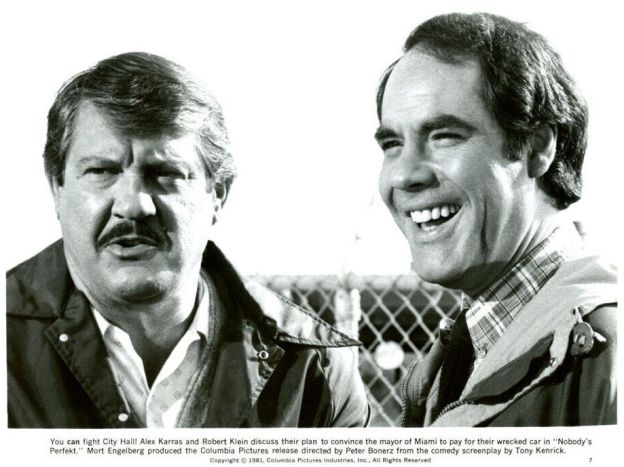
Alex Karras’ Top 3 Comedic Roles

Alex Karras got further into acting after his successful career as a professional football player ended. Upon retiring from the NFL, Karras pursued different opportunities in the entertainment industry beyond the smaller roles he landed while he was an active player. FSM presents the abridged version of his foray into acting and discusses his top 3 comedy performances:

Alex Karras played as a defensive tackle for the Detroit Lions in the National Football League (NFL) from 1958 to 1970. He had a notable career and was known for his strong presence on the field. Following his retirement from football, Karras ventured into sports broadcasting. He worked as a color commentator for NFL games and also had a stint as a co-host on “Monday Night Football” in the mid-1970s.

Karras made his acting debut in the late 1960s, appearing in a few guest roles on television shows such as “Daniel Boone” and “The Bing Crosby Show.” These early experiences sparked his interest in pursuing acting further. It was once retired however that his roles became larger and more prominent, as he had more time to dedicate to his new craft. His roles often matched his personality on the field – loud, boisterous and no nonsense.

In the 1970s and 1980s, Karras began to land his most notable roles in film and television and FSM has ranked the Top 3 comedic ones for your reading pleasure.

  1. Mongo in “Blazing Saddles” (1974): Karras played the character of Mongo, a hulking and dim-witted brute in Mel Brooks’ iconic comedy film. His portrayal of Mongo and the memorable scene of him punching out a horse made him a fan favorite.
  2. Sheriff Wallace in “Porky’s” (1981): In this raunchy teen comedy, Karras portrayed the role of Porky’s brother, a corrupt Sheriff who helps with straightening out wild teens from other counties. His comedic timing and tough-guy persona certainly enhance the film’s humor.
  3. Doc in “Webster” (TV Series, 1983-1989): Karras’ portrayal of George Papadopoulos, or “Doc,” in the television series “Webster” captured the hearts of viewers for many years. This popular sitcom followed the lives of a young orphan (played by Emanuel Lewis) and the couple who adopted him. Karras’ portrayal of the kind-hearted and lovable father figure earned him recognition and popularity among TV audiences across the board. He mostly made audiences laugh while hitting the serious notes as needed.

Alex Karras passed away on October 10, 2012 due to kidney failure. His death marked the end of a remarkable life that encompassed achievements in both professional football and acting.Throughout his acting career, he showcased his skills and versatility, transitioning from his football background to become a respected figure in the entertainment industry.

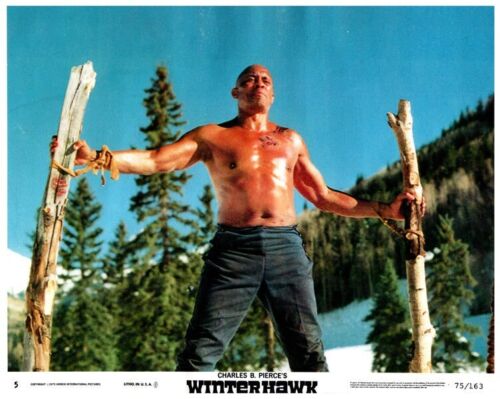
Remember Woody Strode for Breaking Barriers

Woody Strode broke barriers and made significant contributions to society in various aspects of his life and career. While Strode’s impact may not be as widely recognized as some other historical figures, his determination and success in breaking barriers in professional football and Hollywood have made a lasting impact on the sports and entertainment industries, as well as on the fight for racial equality. Free Sports Magazine proudly presents the abridged story of his life.

Western movie fans may not know Woody Strode was a professional American football player before transitioning into acting. Born on July 25, 1914, in Los Angeles, California, Strode attended UCLA (University of California, Los Angeles), where he excelled in athletics, particularly in football and track and field.

Strode played as a standout fullback and defensive lineman for the UCLA Bruins football team during the late 1930s. His performance in college earned him recognition, and he was named to the All-American team in 1939. Making things more interesting, one of Strode’s teammates was THE Jackie Robinson. Yes, you read that correctly. Woody Strode and Jackie Robinson were indeed teammates on the same football team.

In 1939, both Strode and Robinson played for the UCLA Bruins which went undefeated with a record of 8-0-1 that season. During their time at UCLA, Strode played as a standout fullback and defensive lineman, while Robinson played as a running back. Strode’s physicality, strength, and versatility on the field, combined with Robinson’s speed and agility, contributed to the team’s success. Their undefeated season in 1939 remains a notable achievement in UCLA football history to this day.

After college, Strode played professional football in the NFL (National Football League). He signed with the Los Angeles Rams in 1946, becoming one of the first African-American players in the league’s modern era. Strode played for the Rams for two seasons before finishing his football career in Canada, where he played for the Calgary Stampeders in the Canadian Football League (CFL).

Following his football career, Strode transitioned into acting and appeared in numerous films and television shows. Strode’s athletic background often played a role in the types of characters he portrayed on screen, bringing a physicality and presence to his performances. The football star turned thespian delivered several outstanding performances throughout his acting career. While opinions may vary on his best movie performances, there were some notable ones that garnered critical acclaim and showcased his talent. Each film showcased different facets of his skillset, making it difficult to pinpoint a single best performance:

1. Spartacus (1960) – Strode portrayed the character of Draba, a gladiator in this epic historical drama. His memorable fight scene with Kirk Douglas’s character remains one of the film’s highlights.

2. The Man Who Shot Liberty Valance (1962) – Strode’s role as Pompey, a loyal ranch hand, in this classic Western showcased his strength and stoic presence. His chemistry with John Wayne’s character added depth to the film.

3. Sergeant Rutledge (1960) – Strode played the title role of Sergeant Braxton Rutledge, a Buffalo Soldier accused of rape and murder. His portrayal of Rutledge’s dignity and strength in the face of injustice was highly praised.

4. Once Upon a Time in the West (1968) – In this Sergio Leone spaghetti Western, Strode portrayed Stony, one of the gunmen hired to intimidate the protagonist. He showcased his physicality and intensity in a standout performance.

5. The Professionals (1966) – Strode’s role as Jake Sharp, a member of a group of mercenaries, displayed his versatility as an actor. He brought depth to the character and shared excellent chemistry with his co-stars.

While Woody Strode had a successful and exciting career, he should be most remembered for the multiple barriers he broke on the field, in front of the camera, and in real life.

He was one of the first African-American players in the modern era of the National Football League (NFL). He signed with the Los Angeles Rams in 1946, paving the way for future generations of Black athletes in professional football.

As an actor, he faced challenges and racial barriers in the film industry. However, he managed to carve out a successful career in an era when opportunities for Black actors were limited. He played diverse roles that went beyond stereotypes, helping to open doors for other African-American actors in Hollywood. Strode worked alongside Sidney Poitier, another trailblazing African-American actor, in the film “The Defiant Ones” (1958). Their performances in the movie, which addressed racial tensions and prejudice, helped bring attention to issues of racial equality and social justice.

Woody Strode passed away on December 31, 1994 after a battle with lung cancer. His final film was The Quick and the Dead (1995) which was released posthumously and directed by Sam Raimi of Evil Dead and Spiderman fame. In the movie, Strode finds himself in the Wild West yet again and is surrounded by an all-star ensemble cast for one last time. And while it is easy to watch Strode portray a wandering gunfighter named Charlie Moonlight, it is easier to forget his achievements and contributions as an athlete and actor were made in the face of many racial barriers. Strode’s courage and talent is not be forgotten and should continue to serve as a source of inspiration for aspiring athletes, actors, and other professionals.

FSM First Look: UNBREAKABLE

After years of rejection but with constant hustle, Jay Glazer has built a career as one of the most iconic sports insiders, earning himself a spot on the Emmy award-winning Fox NFL Sunday, a role as the confidant of coaches and players across the league, and a role as himself alongside Dwayne “The Rock” Johnson on HBO series Ballers. His gym, Unbreakable Performance Center, attracts some of the biggest names in Hollywood, and is the headquarters to the powerful charity MVP (Merging Vets and Players) that Jay founded in 2015.  MVP began as a weekly physical and mental health huddle with combat veterans and retired athletes has expanded to seven locations, helping soldiers and players transition to a new team.

In Unbreakable, Jay Glazer talks directly to you, his teammates, and shares his truth. All of his success from his screeching-and-swerving joy ride through professional football, the media, the fighting world, Hollywood, the military-warrior community, comes with a side of relentless depression and anxiety. Living in the gray, as Jay calls it, is just a constant for him. And, in order to work through the gray and succeed, Jay has to maintain an Unbreakable Mindset. With this book, you can too.

·        Be of Service—help others and help yourself in the process

·        Build Your Team—give support, get support

·        Never Underestimate the Power of Laughter—never take yourself too seriously

·        Be Proud of Your Scars—our trauma makes us who we are

Throughout Unbreakable, Jay will use his stories—featuring some of the biggest, baddest, and most fascinating characters in the public eye today—to show how he walks this walk, has learned that while the gray is very real, it doesn’t have to define him. And it doesn’t have to define you either.

Click here for a sneak peak of the actual book available April 4, 2023 and keep reading for a very special message from Jay himself:

Hey Teammate,

We all face obstacles-physical, emotional, between the ears. The good news is that everything we have fought back against can empower us, IF WE KNOW HOW TO USE IT. My obstacles happen to be anxiety and depression. I call it living in the gray, and I’ve been mired in it my whole life. To be honest, it sucks. But I have also recently recognized that this same gray that has held me down has also empowered me to make my wildest dreams come true. You have probably overcome many of your own obstacles, but you’ve been too close to the conflict to clearly see what you’ve accomplished. We are all UNBREAKABLE, no matter what we do, who we are, or what traumas we may have experienced. We just need to admit that we can’t walk this walk alone.

–Jay Glazer

FSM Scouting Report: All-American Murder

Book/Movie Title: All-American Murder: The Rise and Fall of Aaron Hernandez

Total Pages/Duration: 375 (paperback version)

Author/Director: James Patterson w/ Alex Abramoivch & Mike Harvkey

Pace of Play: Short chapters and lack of descriptive, flowery language make for a quick read. Some will finish this in one sitting while most will take 2-3 days.

Strengths: The authors stick to the facts and provide many direct quotes from individuals involved in the case. Information is easy to follow as it’s presented in a straight line. There are some flashbacks when necessary but you’ll never get confused. The authors bring the reader up to speed rather quickly in regard to Hernandez’s home life and his days in high school and college.  

Weaknesses: The book relies on direct quotes a little too much at times (sometimes quotes go on for an entire page). It just comes off as lazy. Also, some of the rumors of Hernandez being gay or bisexual are briefly mentioned. I’m assuming there weren’t enough facts to back any of it up, but the authors could have at least tried to disprove some of the rumors by showing what evidence exists. After all, true or not, the rumors were a big part of the story. Again, it comes off a little lazy.

Unique Attributes: The authors maintain a matter-of-fact tone and avoid the use of SAT vocabulary words. Except for the description of Hernandez’s jail cell, don’t expect some of that descriptive writing James Patterson is known for.

All-American Murder contains some interesting side stories involving Tim Tebow, Urban Meyer, and the Pouncey twins. You’ll also read about the lesser-known double-murder that Hernandez allegedly committed.  

Scout’s Recommendations: At this point, the story of Aaron Hernandez has been told across many mediums and probably doesn’t deserve any more of our time. But how often does James Patterson write about sports stuff? That being said, I’m skeptical Patterson did anything more than supervise on this project. All-American-Murder is worthy of a pickup if you’re about to go on a long flight or plan on lounging by the pool on a cruise ship. Other than that, it should be used as a “first stop” for people getting into the Aaron Hernandez saga for the first time.